Regional Guide
Nigeria
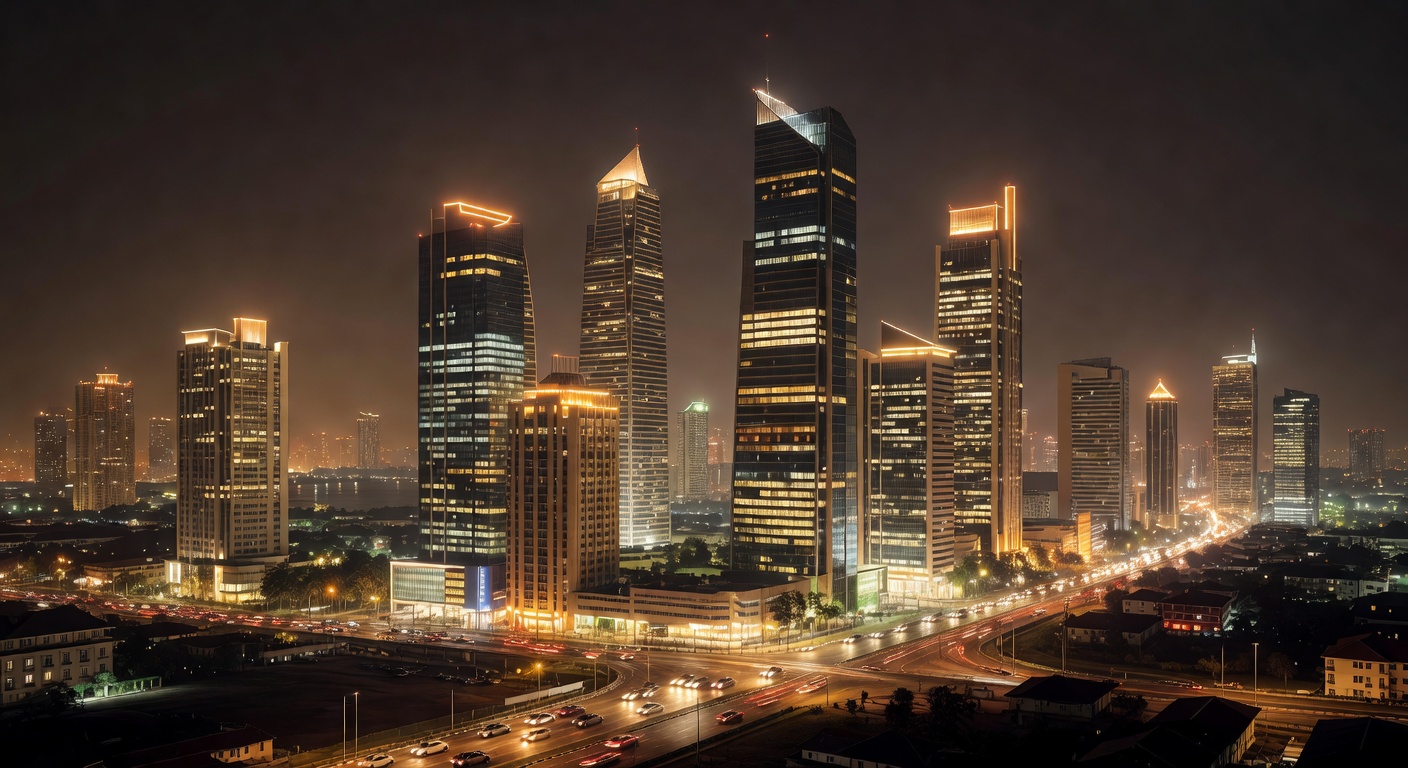
Africa's most populous nation with a deeply divided legal landscape — northern Sharia states impose extreme penalties including stoning, while southern states enforce civil law with lighter consequences. Lagos has a massive, vibrant nightlife scene where the industry operates openly despite its illegal status.
At a glance: Nigeria
- Legal model
- Illegal
- FCDO advisory
- Do not travel
- HIV prevalence
- 1.2% adult ↘
- PrEP access
- Free
- Syphilis (sex workers)
- 31%
- Currency
- Nigerian Naira (NGN)
- Language
- English, Yoruba, Igbo, Hausa
- Population
- 211.4M
- Capital
- Q3787
- Last verified
ART: 78% · WHO 2025
MSM: 1.6% · WHO 2023
Government travel advisories
Pre-travel medical — vaccines & medicines(13 · CDC)
- COVID-19Recommended
All eligible travelers should be up to date with their COVID-19 vaccines. Please see Your COVID-19 Vaccination for more information.
- Hepatitis ARecommended
Recommended for unvaccinated travelers one year old or older going to Nigeria. Infants 6 to 11 months old should also be vaccinated against Hepatitis A.
- Hepatitis BRecommended
Recommended for unvaccinated travelers of all ages traveling to Nigeria.
- MalariaRecommended
CDC recommends that travelers going to Nigeria take prescription medicine to prevent malaria.
- MeaslesRecommended
Cases of measles are on the rise worldwide. Travelers are at risk of measles if they have not been fully vaccinated at least two weeks prior to departure, or have not had measles in the past, and trav…
- Meningococcal diseaseRecommended
Recommended for travelers 2 months old or older traveling to areas of Nigeria that are part of the meningitis belt during the dry season (roughly December to June).
- TyphoidRecommended
Recommended for most travelers, especially those staying with friends or relatives or visiting smaller cities or rural areas.
- Yellow FeverRecommended
CDC recommendations: Vaccine is recommended for all travelers ≥9 months old. Country entry requirements: Direct travel from United States: Vaccine is not required.
- ChikungunyaConsider
There is elevated chikungunya risk in Nigeria. Chikungunya vaccination may be considered for people traveling or moving to this location if they are planning to stay for an extended period of time (fo…
- CholeraConsider
Active cholera transmission is widespread in Nigeria. Cholera is rare in travelers. Certain factors may increase the risk of getting cholera or having severe disease ( more information ).
- PolioConsider
In Nigeria, poliovirus has been identified in the past year. Travelers to Nigeria are at increased risk of exposure to poliovirus.
- RabiesConsider
Dogs infected with rabies are commonly found in Nigeria. Rabies is also present in some terrestrial wildlife species.
- Routine vaccinesRoutine
Make sure you are up-to-date on all routine vaccines before every trip.
General guidance from the CDC Travelers' Health page (2026-07-23) — not medical advice. See a travel clinic 4–6 weeks before departure. Malaria and some vaccines depend on your specific itinerary.
Common questions about Nigeria
What people are actually searching for.
Is $1000 a lot of money in Nigeria?
In Nigerian terms, USD 1,000 converts to roughly NGN 1.6 million and represents substantial purchasing power for most residents. For context on the adult market alone, typical companion rates in Lagos and Abuja fall between NGN 80,000 and NGN 250,000 (USD 50–155), meaning USD 1,000 covers many multiples of a single encounter. Nigeria's currency is the Naira (NGN), and everyday costs on the local economy, from transport to meals, are priced accordingly. Expat-oriented districts such as Victoria Island and Ikoyi in Lagos, or the capital Abuja, run noticeably more expensive than mainland or provincial areas, but even there USD 1,000 remains a meaningful sum. Travellers should also budget for the elevated security costs that come with the country's High risk rating and government advisories.
Is it safe for a US citizen to travel to Nigeria?
Nigeria carries a High risk rating for travellers of any nationality, including US citizens. The UK FCDO issues a Warning, Canada advises avoiding non-essential travel, and Australia tells its citizens to reconsider the need to travel. The most acute dangers are concentrated in the 12 northern states that apply Sharia law, where terrorism is an ongoing threat, and in the southeastern Niger Delta, where kidnap risk is high. Lagos expat districts such as Victoria Island and Ikoyi, the capital Abuja, and the oil-industry hub Port Harcourt are the areas foreign visitors most commonly use, though even there caution is required. LGBT+ travellers face severe criminalisation under the Same-Sex Marriage Prohibition Act. Emergency services can be reached on 112 or 199.
What are the 4 laws of Nigeria?
Nigeria operates a plural legal system, and four bodies of law are especially relevant to visitors. First, federal criminal law makes commercial sex illegal in most states. Second, Sharia criminal law is enforced in 12 northern states and can impose the death penalty for certain sexual offences, including adultery. Third, the Same-Sex Marriage Prohibition Act criminalises LGBT+ conduct and relationships nationwide, with severe penalties. Fourth, child-protection statutes set the sex-work minimum age at 18, even though the general age of consent under the Criminal Code is 11 — a gap travellers should be acutely aware of. Together these four strands — federal criminal, Sharia, anti-LGBT and child-protection law — define the legal environment. Emergency services operate on 112 and 199.
Are Nigerians friendly to tourists?
Nigeria is Africa's most populous country, with more than 211 million residents speaking English, Yoruba, Igbo and Hausa, and daily interactions with visitors in expat-oriented districts are generally cordial. Lagos neighbourhoods such as Victoria Island and Ikoyi, the capital Abuja, and the oil-hub Port Harcourt all host established foreign communities and are the areas most tourists use. That said, friendliness at street level does not offset the country's High risk rating: the UK FCDO issues a Warning, Canada advises avoiding non-essential travel, and Australia says to reconsider the need to travel. Northern Sharia states and the southeastern Niger Delta present terrorism and kidnap risks respectively, and the Same-Sex Marriage Prohibition Act means LGBT+ visitors face hostility as well as prosecution. English as an official language eases communication.
Which African countries have legal prostitution?
Nigeria is not among the African countries where commercial sex is legal — federal law criminalises it in most states, and the 12 northern states applying Sharia can impose penalties up to death. The Same-Sex Marriage Prohibition Act additionally criminalises LGBT+ conduct nationwide. Because worldadultguide.com's Nigeria brief only documents Nigerian statutes, we cannot responsibly list legal regimes elsewhere on the continent from this page; each country's dedicated guide sets out its own model. What is clear for travellers researching the region from a Nigerian starting point is that Nigeria itself sits at the strict end of the spectrum, with a High risk rating, UK FCDO Warning, Canadian advice to avoid non-essential travel, and Australian advice to reconsider travel. The sex-work minimum age is 18.
What is the most common crime in Nigeria?
The country brief for Nigeria highlights kidnapping as a dominant crime category, particularly in the southeastern Niger Delta region, where oil-industry wealth and armed groups have made abduction-for-ransom a persistent threat. Terrorism is the other headline risk, concentrated in the 12 northern states that also apply Sharia criminal law. These twin dangers underpin Nigeria's High risk rating, the UK FCDO Warning, Canada's advice to avoid non-essential travel, and Australia's advice to reconsider the need to travel. In the adult-market context, the brief specifically warns visitors to avoid dating and hookup apps, reflecting scam, robbery and entrapment risks around commercial-sex interactions where the activity is itself illegal. Emergency services are reachable on 112 or 199, though response capacity varies sharply by region.
What is the punishment for adultery in Nigeria?
Punishment for adultery in Nigeria depends on where the offence takes place. Across the federation, commercial sex is illegal in most states under federal criminal law. In the 12 northern states that apply Sharia criminal law, however, adultery (zina) is treated as a hudud offence and the death penalty — historically by stoning — is available for married offenders. That makes northern Nigeria one of the most severe jurisdictions in the world for extramarital sex. The Same-Sex Marriage Prohibition Act layers additional criminal exposure onto any same-sex relationship anywhere in the country. Travellers are strongly advised in the country brief to avoid the northern states altogether because of the combined terrorism and Sharia risk. Nigeria's overall risk rating is High, with matching UK, Canadian and Australian government advisories.
Which country has the safest prostitution?
The country brief for Nigeria only covers Nigerian conditions, and Nigeria itself is emphatically not a safe jurisdiction for commercial sex: it is illegal in most states, the 12 northern Sharia states can impose the death penalty for related offences, and the Same-Sex Marriage Prohibition Act criminalises LGBT+ conduct nationwide. The country carries a High risk rating with a UK FCDO Warning, Canadian advice to avoid non-essential travel, and Australian advice to reconsider travel. Kidnap risk is significant in the Niger Delta and terrorism risk in the north. The sex-work minimum age is 18 even though the general age of consent is 11. For comparative safety rankings between jurisdictions, readers should consult the individual country guides on worldadultguide.com rather than extrapolate from Nigeria's context.
Legal Model
Criminalized (varies by state)
Risk Level
High
Currency
Nigerian Naira (NGN / ₦)
Language
English / Yoruba / Igbo / Hausa
Tipping Custom
Appreciated (10%)
Emergency Number
112
SECURITY WARNING
Nigeria presents significant security challenges beyond the legal status of sex work. Kidnapping, armed robbery, police corruption, and scams targeting foreigners are real concerns. The adult industry adds additional layers of risk including blackmail, robbery during encounters, and police extortion. Northern Sharia states carry extreme penalties including corporal punishment and potentially death by stoning. This page focuses on Lagos and southern Nigeria where risks, while still high, are more manageable.
Legal Framework
Nigeria's legal landscape for sex work is divided along the country's fundamental north-south divide. The federal Criminal Code applies to southern states, while 12 northern states have adopted Sharia (Islamic) penal codes with dramatically different penalties.
Key legal points:
- Southern states (Criminal Code) — Prostitution is illegal under the Criminal Code Act. Solicitation, brothel-keeping, and living off the earnings of prostitution are criminalized. Penalties include fines and imprisonment of up to 2 years. In practice, enforcement is sporadic and often involves police extortion rather than actual prosecution
- Northern Sharia states — 12 northern states (including Kano, Kaduna, Zamfara, Sokoto) have adopted Sharia penal codes. Under these codes, zina (extramarital sex) is a capital offense. Penalties can include stoning to death for married offenders, lashing for unmarried offenders, and imprisonment. These penalties have been handed down in court, though executions under Sharia for zina have generally been overturned on appeal
- Homosexuality — The Same-Sex Marriage (Prohibition) Act of 2014 criminalizes same-sex relationships with penalties of up to 14 years imprisonment. Northern Sharia states impose the death penalty for same-sex acts. This is aggressively enforced across Nigeria
- Police corruption — A critical practical factor. Nigerian police frequently use morality laws as leverage for extortion. Being "caught" (or merely accused) of an illegal sexual transaction often results in a demand for a bribe rather than formal charges. The "fine" is whatever the officer decides to charge
- Federal vs. state jurisdiction — Nigeria operates a federal system. Criminal law varies by state. Lagos State has its own criminal law that criminalizes prostitution but enforcement is the lightest in the country
ABSOLUTE NO-GO: Northern Sharia States
Under no circumstances should anyone seek sexual services in Nigeria's 12 Sharia states (Zamfara, Kano, Sokoto, Katsina, Bauchi, Borno, Jigawa, Kebbi, Niger, Yobe, Kaduna, Gombe). Penalties include corporal punishment (lashing) and potentially death by stoning. These laws apply to all residents and visitors regardless of religion or nationality. The entire northern region should be avoided for this purpose.
How It Works
Nigeria's adult scene, concentrated in Lagos, is one of the most active in West Africa. Despite its illegal status, the industry operates openly in Lagos's nightlife districts, driven by the city's enormous population (20M+), wealth inequality, active nightlife culture, and lax enforcement. The scene is overwhelmingly freelancer-based, with providers operating through nightclubs, bars, hotels, and increasingly online.
The Lagos scene is integrated into the city's famous nightlife. Districts like Victoria Island and Lekki have clusters of upscale clubs and bars where freelancers are a visible presence. The interaction model is social — encounters begin as nightclub or bar conversations. Pricing is negotiated privately, and encounters typically occur at the client's hotel or at the provider's accommodation.
For foreign visitors, the scene is accessible but requires significantly more situational awareness than most other destinations. Nigeria's security environment, police corruption, and scam culture create a landscape where casual or careless engagement can have serious consequences. Operating through established venues in known areas and exercising strong judgment are essential.
Venue Types
Nightclubs & Bars
The dominant venue type for the Lagos scene. Upscale nightclubs and bars in Victoria Island, Lekki, and Ikeja attract a mix of genuine party-goers and freelancers. The Lagos nightlife scene is vibrant, high-energy, and runs late (clubs often don't peak until 1–2 AM). Freelancers are well-dressed and integrated into the crowd. The social nature of Lagos nightlife means conversations start easily. Cover charges range from NGN 5,000–20,000 ($3–$13) at premium venues. Drinks are moderately priced by international standards.
Freelancers (Street / Roadside)
Street-based freelancers operate on known roads and corners, particularly along Allen Avenue in Ikeja (historically Lagos's most famous sex work corridor). This segment is the most affordable but highest risk — robbery, police harassment, and health concerns are significantly elevated. Not recommended for foreign visitors.
Hotels
Some mid-range hotels in Lagos operate as de facto meeting points, with bars that attract both hotel guests and freelancers. International chain hotels are generally more discreet and may have guest policies about visitors. Nigerian-owned hotels in entertainment districts are often more permissive. Hotel-based encounters offer more security (CCTV, staff presence) than private locations.
Massage / Spa
A growing number of spa and massage establishments in Lagos offer extras. These range from legitimate spas with discreet additional services to purpose-built establishments. Found primarily in Victoria Island and Lekki. Quality and availability of extras vary. Chinese-operated massage parlors have a particular reputation.
Online / App-Based
Social media (Instagram, Twitter/X, Snapchat) and messaging apps (WhatsApp, Telegram) are increasingly used for provider advertising and booking in Lagos. Some providers maintain curated social media profiles. Dating apps have a commercial presence. This channel offers pre-screening advantages but carries digital evidence risks and catfishing/scam potential.
Notable Venues & Establishments
Lagos's nightlife scene is dynamic, with venues gaining and losing popularity rapidly. The following are established areas and venue types rather than specific bars (which change frequently).
Victoria Island (VI) Clubs
Victoria Island is Lagos's premier entertainment and business district. The clubs and bars along Adeola Odeku Street, Akin Adesola Street, and surrounding areas represent the high end of Lagos nightlife. Premium clubs attract wealthy Nigerians, expats, and visitors. Freelancers in VI clubs are typically well-presented and charge premium rates. Bottle service is the norm at high-end venues (NGN 50,000–200,000+ / $31–$125+ per table). This is the safest and most accessible segment for foreign visitors.
Lekki Phase 1 Nightlife
Lekki Phase 1, east of Victoria Island, has emerged as a major nightlife hub. Admiralty Way and surrounding streets have multiple clubs, lounges, and restaurants with active scenes. The area is slightly more relaxed than VI's most premium venues, with a younger crowd and more accessible pricing. Several well-known clubs here have strong freelancer presence on weekends.
Allen Avenue (Ikeja)
Allen Avenue in Ikeja is historically Lagos's most famous street for the sex trade. While the area has evolved and gentrified somewhat, it retains a significant street-based scene, particularly at night. Hotels and bars along Allen Avenue are known meeting points. This area is more budget-oriented and carries higher security risks than Victoria Island. More appropriate for experienced visitors with local knowledge.
Ikeja Hotels & Bars
The Ikeja area (mainland Lagos near the airport) has several mid-range hotels with active bar scenes. These cater to a mix of business travelers, airport transients, and locals. The scene is more accessible than VI in terms of pricing but requires more street awareness. The area around Murtala Muhammed Airport has hotels that serve the transit market.
Festac Town / Satellite Towns
Budget areas in Lagos's mainland suburbs. Festac, Surulere, and Agege have local nightlife scenes with very affordable pricing (NGN 5,000–15,000 / $3–$9). However, these areas present significant security risks for foreign visitors and are not recommended without local accompaniment and strong situational awareness.
Services Breakdown
Nightclub / Bar Encounter
- Short time (1–2 hours): NGN 10,000–30,000 ($6–$19) local rate; $30–100 tourist/expat rate. Encounter at your hotel or the provider's place
- Drinks / entry: Expected to cover drinks and possibly club entry for the provider. Budget NGN 10,000–30,000 ($6–$19) for the socializing period at a mid-range venue
- Overnight: NGN 20,000–50,000 ($13–$31) local rate; $50–200 tourist/expat rate. Provider stays until morning
- Taxi / transport: Provider may request transport money. NGN 3,000–10,000 ($2–$6) depending on distance. Reasonable and expected
Premium / Upscale (VI/Lekki)
- High-end freelancer (overnight): $100–300+. Well-presented providers from premium venues. Often quoted directly in USD
- Instagram/social media provider: $80–200+. Pre-arranged through online contact. May include social time (dinner, drinks)
- Extended / travel: $150–500+ per day for multi-day companionship
Budget (Allen Avenue / Mainland)
- Street freelancer (short time): NGN 5,000–15,000 ($3–$9). Highest risk category. Hotel or short-time room
- Bar freelancer (short time): NGN 10,000–20,000 ($6–$13). Budget hotels and bars along Allen Avenue
Pricing Guide
| Venue / Service | Local Rate (NGN) | Tourist Rate (USD) |
|---|---|---|
| Nightclub Freelancer (short time) | NGN 10,000 – 30,000 | $30 – $100 |
| Nightclub Freelancer (overnight) | NGN 20,000 – 50,000 | $50 – $200 |
| Premium VI / Lekki | — | $100 – $300+ |
| Allen Avenue (budget) | NGN 5,000 – 15,000 | $3 – $9 |
| Massage / Spa (with extras) | NGN 15,000 – 40,000 | $9 – $25 |
| Online / Instagram Provider | — | $80 – $200+ |
Last verified: March 2026. Nigerian naira has experienced significant volatility — USD equivalents may shift.
Nigeria operates a strong dual pricing system. Foreign visitors (particularly White or Asian foreigners, known locally as "oyinbo") will be quoted significantly higher prices than Nigerian clients. This is universal across Nigerian commerce, not unique to the adult scene. The naira has experienced substantial devaluation, making Nigeria very affordable in hard currency terms. Cash is king — naira for local transactions, USD for premium arrangements. Mobile money (bank transfers via Nigerian banking apps) is increasingly common but creates a digital trail.
Key Cities & Areas
Lagos
Lagos is the overwhelming center of Nigeria's adult scene. With a metropolitan population exceeding 20 million, a booming economy, massive wealth inequality, and West Africa's most vibrant nightlife, Lagos has a scene that dwarfs all other Nigerian cities combined.
Victoria Island (VI) — The premium district. Upscale clubs, restaurants, hotels, and bars along the island's main streets. The safest and most accessible area for foreign visitors. High-end freelancers and the expat-oriented market are concentrated here. Stay and operate within VI for the most manageable experience.
Lekki (Phase 1 & Admiralty Way) — East of VI along the Lekki-Ikoyi Link Bridge. A growing nightlife hub with a younger, affluent crowd. Multiple premium clubs with active scenes. Slightly more accessible pricing than top-tier VI venues while maintaining good security standards.
Ikeja / Allen Avenue — Mainland Lagos near the airport. Allen Avenue is historically the most famous street for the sex trade in Lagos. Hotels, bars, and street-based activity. More affordable but significantly higher risk. The area is more chaotic and less secure than the island districts.
Ikoyi — An upscale residential area between VI and the mainland. Some high-end restaurants and bars with a more refined atmosphere. Less nightlife than VI but some premium encounters happen through this district's social scene.
Abuja
Nigeria's capital city, purpose-built in the center of the country. Abuja has a smaller but active scene driven by the political and diplomatic community. Nightlife is concentrated in Wuse and Maitama districts. The scene is more discreet than Lagos due to the city's governmental character. Hotel bars and upscale clubs are the primary venues. Pricing is comparable to Lagos's VI market. Security is generally better than Lagos due to heavy police and military presence in the capital.
Port Harcourt
The oil industry capital in the Niger Delta region. Port Harcourt has an active scene driven by oil industry expats and workers. The GRA (Government Reserved Area) and Trans-Amadi districts have nightlife venues. Pricing reflects the oil economy — mid-range to premium. Security is a concern due to the volatile Niger Delta environment. Not recommended for first-time Nigeria visitors.
Platforms & Finding Providers
- Nightclubs / bars — The primary channel. Lagos's nightlife is social and accessible. Freelancers in club environments are approachable and will often initiate contact. Weekend nights (Thursday through Saturday) are busiest
- Instagram — Increasingly the primary online platform for Nigerian providers. Many maintain curated profiles with photos and contact information. DM to initiate contact, then move to WhatsApp
- WhatsApp — Universal communication tool in Nigeria. Numbers shared through social media, in-person meetings, or referrals. Group chats and broadcast lists exist but require introductions to access
- Twitter/X — Nigerian "Sex Twitter" is an active community with providers advertising services. Use search and follow relevant accounts to discover providers
- Dating apps — Tinder, Bumble have commercial presence in Lagos. Some profiles are providers. Verify through video call or social media cross-referencing before meeting
- Hotel staff / drivers — Some hotel employees (particularly drivers and security) offer to arrange encounters. Quality of referrals varies. A finder's fee may be built into the price
- International forums — Hobbyist forums with West Africa sections provide trip reports. Limited but useful for first-time visitors
Cultural Etiquette
- Warmth and sociability — Nigerians are famously warm, social, and expressive. The nightlife scene reflects this energy. Engaging genuinely with conversations, showing humor, and being sociable goes far
- Respect — Treat providers with respect and dignity. Despite the economic dynamics that drive many into the industry, providers in Lagos are often well-educated and articulate. Condescending behavior is poorly received
- The "big man" culture — Nigerian social dynamics include a strong emphasis on status and generosity. Being seen as generous (buying drinks, not haggling aggressively) builds social capital in nightlife environments
- Haggling — Price negotiation is normal and expected in Nigeria. Be firm but respectful. Do not insult by offering absurdly low prices, but do not accept the first quoted price without discussion
- English is official — English is Nigeria's official language and the language of business and urban social life. You will communicate in English for all interactions. Pidgin English (Nigerian slang) is common — you'll pick up key phrases quickly
- Religious sensitivity — Nigeria is roughly split between a Christian south and a Muslim north. In Lagos (predominantly Christian/mixed), there is more social flexibility, but religious references are common in daily conversation. Be respectful
- Photography — Never photograph providers without consent. Never photograph police, military, or government buildings. Phone cameras attract attention in nightlife settings
- Payment — Cash preferred. Naira for standard transactions, USD for premium. Mobile transfers are increasingly common but create digital records. Have cash ready to avoid ATM trips during encounters
- Transport money — Providing transport fare for the provider to get home is standard etiquette and is separate from the agreed fee. NGN 3,000–10,000 depending on distance
Safety Considerations
Critical Security Warning
Nigeria ranks among the highest-risk destinations covered in this guide. The combination of pervasive crime, police corruption, economic desperation, and legal prohibition creates a dangerous environment. Kidnapping for ransom, armed robbery, and scams targeting foreigners are ongoing concerns throughout Lagos. The adult scene adds additional risk layers. Foreign visitors are conspicuous and perceived as wealthy targets. Exercise the highest level of caution.
- Armed robbery — The most serious physical safety risk. Armed robbery is common in Lagos, particularly at night. Never walk alone after dark outside of secure compounds. Use trusted taxi services or ride-hailing apps (Uber, Bolt). Avoid displaying phones, watches, or jewelry
- Police extortion — Nigerian police routinely stop, question, and demand money from both locals and foreigners. Being involved in any activity perceived as illegal gives police additional leverage. If stopped, remain calm, be polite, and be prepared to negotiate. Do not hand over your passport — show a copy. The "settlement" system (informal fines/bribes) is how these encounters typically resolve
- Scams (419) — Nigeria is globally known for scam culture. In the adult context, common scams include advance payment demands (send money before meeting, then ghosting), catfishing (different person than photos), robbing clients after arranging a meeting, and elaborate social engineering schemes
- Drink spiking — Documented risk, particularly at nightclubs and bars. Watch your drinks at all times. Do not accept drinks from strangers. Some robbery operations use spiked drinks to incapacitate victims
- Kidnapping — While primarily targeting wealthy Nigerians and oil industry workers, foreign visitors have been kidnapped. Avoid predictable routines, do not share accommodation details widely, and vary your routes. This risk is highest in the Niger Delta region (Port Harcourt)
- Health — Nigeria has a significant HIV prevalence rate (1.3% general population, higher in certain demographics). Use protection without exception. Malaria is endemic — take prophylaxis. Private hospitals in Lagos (e.g., Lagoon Hospital, Reddington) provide adequate care. Travel insurance with medical evacuation coverage is essential
- Transportation — Use Uber or Bolt ride-hailing apps for all transport. Official taxis are unreliable. Do not use unmarked vehicles. Lagos traffic is severe — plan travel time accordingly. Avoid the Lekki-Epe Expressway and Third Mainland Bridge at very late hours
- Cash management — Do not carry large amounts of cash. Use hotel safes. Withdraw only what you need from bank ATMs within secure premises (shopping malls, bank branches). Do not use standalone street ATMs
- LGBTQ extreme caution — Nigeria is one of the most dangerous countries in the world for LGBTQ individuals. The Same-Sex Marriage (Prohibition) Act carries 14 years imprisonment (life imprisonment in northern states). Social attitudes are deeply hostile. Absolute discretion required
Useful Phrases
| English | Nigerian Pidgin | Context |
|---|---|---|
| How are you? | How you dey? / How far? | Universal greeting |
| I'm fine | I dey okay / I dey fine | Standard response |
| Beautiful woman | Fine girl / Sisi | Compliment |
| How much? | How much? / How much e be? | Price inquiry |
| Too expensive | E too much / Na wahala | Negotiation |
| Let's go | Make we go / Oya, come | Suggesting departure |
| No problem | No wahala | Agreement / acceptance |
| Go away | Comot / Leave me | Firm refusal |
| Great / Excellent | Correct! / Sharp sharp | Positive expression |
| Goodbye | E go be / Later | Casual farewell |
English is spoken universally in Lagos's nightlife scene. Nigerian Pidgin English (Broken) is the lingua franca of everyday social interaction and is essentially English with modified grammar and local vocabulary. You will understand and be understood in standard English. Learning a few Pidgin phrases shows cultural awareness and creates connection.
Travel Logistics
Visa & Entry
Most nationalities require a visa to enter Nigeria. Nigerian visas can be obtained in advance from embassies/consulates or through the e-visa portal for eligible nationalities. The process can be slow — apply well in advance. US citizens are eligible for visa on arrival since 2020, but pre-arrangement through the immigration portal is still required. Entry is through Murtala Muhammed International Airport (LOS) in Lagos or Nnamdi Azikiwe International Airport (ABV) in Abuja.
Best Time to Visit
Lagos has a tropical climate with a dry season (November–March) and rainy season (April–October). The dry season is more comfortable for visiting, with lower humidity and less rainfall. The nightlife scene operates year-round without significant seasonal variation. The Christmas/New Year period sees Lagos at its most festive, with numerous parties and events. Lagos temperatures are consistently warm (25–35°C year-round).
Transport
Uber and Bolt are essential for getting around Lagos. Traffic is severe, particularly on the island (VI, Lekki) during business hours. A 10km journey can take 1–2 hours in peak traffic. Plan accordingly. The Lekki-Ikoyi Link Bridge connects the island districts. Do not use public transport (danfo buses, okada motorcycles) as a visitor. Airport to VI takes 30–90 minutes depending on traffic.
Hotels
For scene access, stay on Victoria Island or Lekki Phase 1. International chains (Radisson Blu, InterContinental, Civic Centre, Eko Hotel) offer security, quality, and central locations. Nigerian-owned boutique hotels in VI are often excellent value. Rates range from $50–100/night (mid-range) to $200–500+/night (premium international brands). Guest-friendly policies vary — international chains are generally permissive about visitors; Nigerian hotels may register overnight guests.
Money
The Nigerian naira (NGN) has experienced significant volatility and devaluation. The official rate and parallel market rate can differ substantially. ATMs dispense naira and are available at banks and shopping malls. Cash is essential for most adult industry transactions. USD is accepted for premium arrangements. Do not use street money changers — use banks or trusted bureau de change operators. Mobile banking transfers (via Nigerian bank apps) are common for larger transactions but create digital records. Carry NGN 50,000–100,000 ($31–$63) in cash for planned activity.
Lagos: Detailed Area Safety Guide
Lagos’s sprawling geography means that safety profiles differ dramatically by neighborhood. Understanding these distinctions is critical for managing risk.
Victoria Island (VI) — Safest for Foreigners
VI is the recommended operating area for foreign visitors. The island’s concentration of international businesses, embassies, premium hotels, and upscale restaurants creates an environment where foreigners are expected and security infrastructure is the most developed in Lagos. Key specifics:
- Adeola Odeku / Akin Adesola corridor: The heart of VI’s nightlife. Premium clubs, lounges, and restaurants line these streets. Security at individual venues is typically professional (metal detectors, bag checks). Street lighting is adequate. Walk between nearby venues is manageable but use ride-hailing for anything beyond a block or two after midnight
- Bar Beach / Ahmadu Bello Way: The oceanfront strip has restaurants and event venues. Generally safe during evening hours but the beach itself should be avoided after dark
- Hotel zones: The areas immediately surrounding major hotels (Eko Hotel, InterContinental, Radisson Blu) have the highest security presence. Freelancers in hotel bars tend to be more professional and higher-priced than club freelancers
- Risk profile: Petty theft is possible but armed robbery is uncommon in the core VI area. Police checkpoints are frequent but generally a minor inconvenience (have ID available). The primary risk is being overcharged rather than being physically harmed
Lekki Phase 1 — Growing Nightlife Hub
East of VI along the Lekki-Ikoyi Link Bridge, Lekki Phase 1 has emerged as the fastest-growing nightlife district in Lagos.
- Admiralty Way: The main commercial street with multiple clubs, lounges, and restaurants. The vibe is younger and slightly more accessible than top-tier VI venues. Multiple well-known clubs with strong weekend attendance (Thursday through Saturday)
- Freedom Way / Ozumba Mbadiwe: Additional nightlife options including beach bars and event spaces. These areas are active during weekends and for special events
- Safety: Generally comparable to VI during nightlife hours. Security at individual venues is good. Avoid wandering into residential side streets off main roads after midnight. The Lekki Toll Gate area at the eastern end of the expressway should be avoided at night
- Pricing: 10–20% below top-tier VI for comparable quality. Lekki attracts a younger, more digitally connected crowd, including providers who are active on Instagram and Twitter
Ikeja / Allen Avenue — Budget with Higher Risk
The mainland’s Allen Avenue remains Lagos’s most historically significant street for the sex trade, but the risk profile is substantially higher than the island districts:
- Higher crime incidence: Armed robbery, phone snatching, and petty theft are more common on the mainland. Police presence is less organized and more likely to involve extortion
- More affordable: NGN 5,000–20,000 ($3–$13) for encounters that would cost 3–5x on the island. The quality difference is significant but so is the price difference
- Airport proximity: Ikeja’s location near Murtala Muhammed Airport makes it convenient for transit travelers. Hotel bars in the airport area have a steady scene
- Recommendation: Only for experienced visitors with local contacts or accompaniment. First-time visitors to Lagos should stay on the island
Abuja: The Political Capital
Abuja operates on a different rhythm than Lagos. The city’s purpose-built, planned layout and governmental character create a more controlled environment:
- Wuse District: The primary nightlife area. Clubs and bars in Wuse II attract the political and business elite. The scene is active Thursday through Saturday. Freelancers in Wuse clubs tend to be well-educated and multilingual, reflecting Abuja’s cosmopolitan diplomatic community
- Maitama District: Abuja’s most upscale residential area, home to embassies and wealthy residents. Upscale restaurants and hotel bars serve as discreet meeting points. The scene is understated compared to Lagos
- Garki District: More commercial and mid-range. Hotel bars and restaurants in Garki have a moderate scene catering to business travelers
- Security: Abuja is generally safer than Lagos for foreigners due to heavy security presence (military, police, presidential guards). However, the outskirts of the Federal Capital Territory and areas toward the north face genuine security threats including kidnapping and Boko Haram-related activity. Stay within the city center
- Pricing: Comparable to Lagos VI. Premium freelancers quote $100–300 for overnight arrangements. The diplomatic and political clientele creates expectations of generosity
- Discretion: Abuja’s governmental atmosphere means the scene operates with more discretion than Lagos. Public displays of interest or overt solicitation are far less common. Everything is arranged privately through messaging or through trusted intermediaries
Online Platforms & Digital Scene
Nigeria’s adult scene has moved significantly online, driven by smartphone penetration and social media culture. The digital landscape:
- Instagram: The primary advertising platform for premium Nigerian providers. Providers maintain curated profiles with lifestyle content, professional photos, and contact details in their bio. Engagement signals (follower count, post consistency, story activity) indicate an active, established provider. DM to initiate, then transition to WhatsApp for details. Search location-tagged posts in Lagos nightlife venues to discover active providers
- Twitter/X Nigerian scene: "Nigerian Sex Twitter" is an active community with providers advertising services, sharing testimonials, and networking. Hashtags and specific community accounts serve as directories. The scene is more open and direct on Twitter than on Instagram due to the platform’s more permissive content policies
- WhatsApp: The universal booking and communication tool. Once you have a provider’s number (from Instagram, Twitter, nightclub meeting, or referral), all communication moves to WhatsApp. Video call verification is strongly recommended before any meeting — catfishing is a significant scam problem
- Telegram: Growing as an alternative to WhatsApp for providers who want more privacy. Some Lagos-specific Telegram channels function as informal directories
- Dating apps: Tinder and Bumble have a commercial presence in Lagos. Some profiles are overtly provider profiles; others operate in a gray zone between dating and transactional arrangements. Verification through video call is essential
- Escort directories: International escort sites have Nigeria sections but listings are sparse compared to social media. These are more useful for very high-end providers targeting international clients
Digital Safety Warning
Nigeria’s international reputation for online scams extends into the adult scene. Never send money before meeting in person. Advance payment requests — even small "transport" or "hair" deposits — are overwhelmingly scam indicators. Catfishing (using someone else’s photos) is extremely common. Always verify through a live video call before agreeing to meet. If a provider refuses video verification, move on. There are plenty of legitimate providers who will verify without hesitation.
Safety per Area: Quick Reference
| Area | Safety Level | Scene Activity | Recommended For |
|---|---|---|---|
| Victoria Island (VI) | Medium-High | Very Active | All visitors; first-timers especially |
| Lekki Phase 1 | Medium-High | Active (weekends) | All visitors; younger crowd |
| Ikoyi | High | Low-Moderate | Upscale social dining scene |
| Ikeja / Allen Ave | Medium-Low | Very Active | Experienced visitors with local contacts only |
| Festac / Surulere | Low | Active (local) | Not recommended for foreigners |
| Abuja (Wuse / Maitama) | Medium-High | Moderate | Business travelers; discreet scene |