Regional Guide
China
The world's most populous country harbors a massive underground sex industry that operates through KTV hostess bars, massage parlors, and WeChat networks — all fully illegal under PRC law and subject to unpredictable crackdowns.
At a glance: China
- Legal model
- Illegal
- FCDO advisory
- Normal
- HIV prevalence
- 0.1% adult
- PrEP access
- Private only
- Syphilis (sex workers)
- 1.5%
- Currency
- Chinese Yuan (CNY/RMB)
- Language
- Mandarin; limited English outside major hotels
- Population
- 1407.2M
- Capital
- Beijing
- Last verified
ART: 89% · WHO 2024
CNY 200–500/month
MSM: 4.1% · WHO 2021
Government travel advisories
Pre-travel medical — vaccines & medicines(11 · CDC)
- COVID-19Recommended
All eligible travelers should be up to date with their COVID-19 vaccines. Please see Your COVID-19 Vaccination for more information.
- Hepatitis ARecommended
Recommended for unvaccinated travelers one year old or older going to China. Infants 6 to 11 months old should also be vaccinated against Hepatitis A.
- Hepatitis BRecommended
Recommended for unvaccinated travelers of all ages traveling to China.
- MeaslesRecommended
Cases of measles are on the rise worldwide. Travelers are at risk of measles if they have not been fully vaccinated at least two weeks prior to departure, or have not had measles in the past, and trav…
- TyphoidRecommended
Recommended for most travelers, especially those staying with friends or relatives or visiting smaller cities or rural areas.
- RabiesConsider
Dogs infected with rabies are commonly found in China. Rabies is also present in some terrestrial wildlife species.
- Tick-borne EncephalitisConsider
For travelers moving or traveling to TBE-endemic areas TBE vaccine is recommended for persons who will have extensive exposure to ticks based on their planned outdoor activities and itinerary.
- Routine vaccinesRoutine
Make sure you are up-to-date on all routine vaccines before every trip.
- ChikungunyaNot recommended
All travelers should take steps to prevent mosquito bites. Chikungunya vaccination is generally not recommended.
- Japanese EncephalitisNot recommended
Recommended for travelers who Are moving to an area with Japanese encephalitis to live Spend long periods of time, such as a month or more, in areas with Japanese encephalitis Frequently travel to are…
- Yellow FeverNot recommended
CDC recommendations: Vaccine is not recommended. Country entry requirements: Direct travel from United States: Vaccine is not required.
General guidance from the CDC Travelers' Health page (2026-07-23) — not medical advice. See a travel clinic 4–6 weeks before departure. Malaria and some vaccines depend on your specific itinerary.
Common questions about China
What people are actually searching for.
Is there a red light district in China?
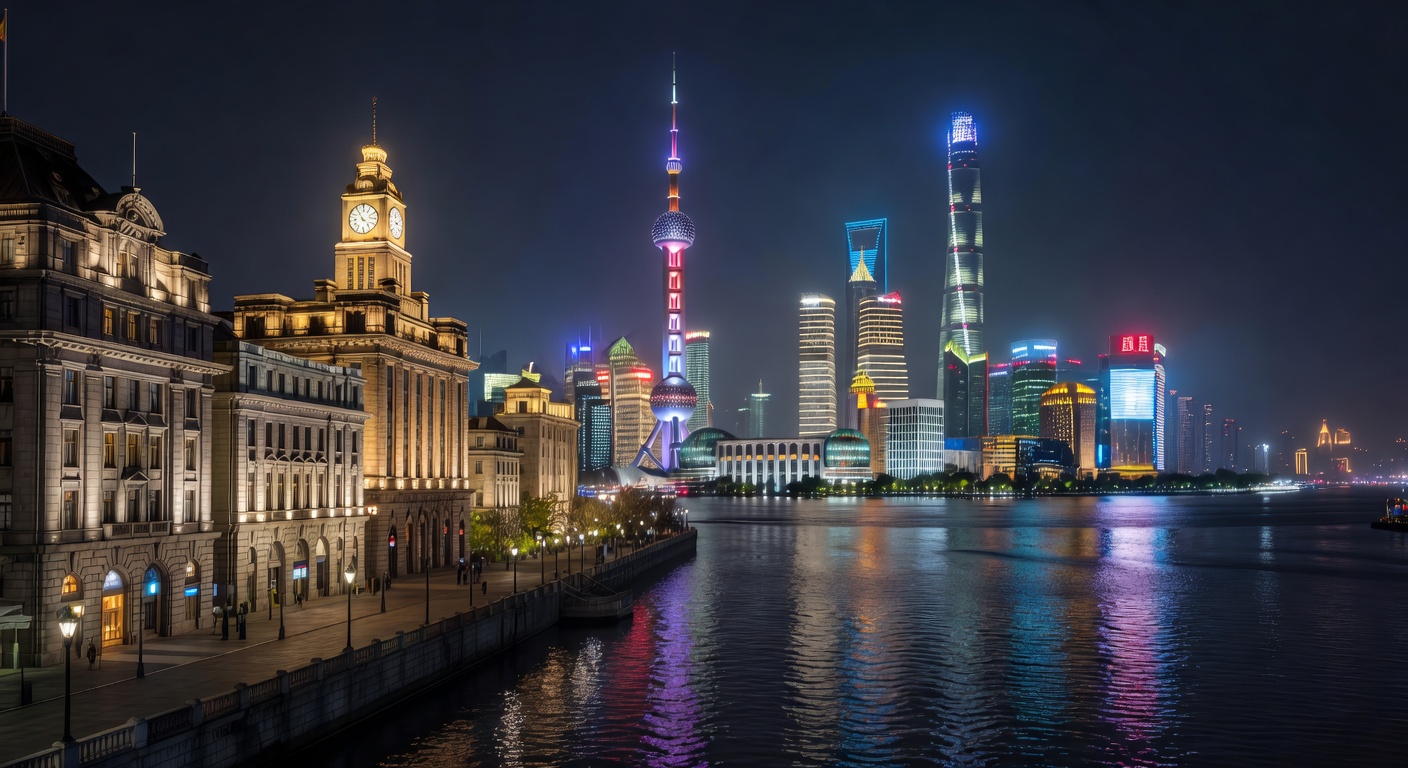
China has no legally sanctioned red light district. All commercial sex is illegal nationwide, and periodic anti-vice campaigns known as "Strike Hard" specifically target visible sex-trade clusters. What exists instead is an underground, apartment-based scene concentrated in Tier-1 cities. In Shanghai, activity gravitates around Bund-area hotels and KTV lounges in the former French Concession. Beijing's after-dark scene clusters around Sanlitun expat bars and the Workers' Stadium nightlife strip. Shenzhen's Luohu district retains dense massage-parlour infrastructure, a legacy of the Hong Kong weekender market. None of these operate as open red-light zones in the Amsterdam or Bangkok sense. Surveillance is pervasive: assume facial-recognition cameras throughout venues and transit. The UK FCDO issues a Warning and Canada and Australia both advise a high degree of caution for travel to China.
Is happy ending legal in China?
No. A "happy ending" massage constitutes commercial sex, which is illegal everywhere in the People's Republic of China. Massage parlours and KTV lounges occupy a legal-grey area — the venue itself is licensed, but any sexual service delivered inside falls under the same anti-prostitution statutes enforced during periodic "Strike Hard" anti-vice campaigns. Enforcement intensity fluctuates with the political calendar and spikes around sensitive dates. Foreign customers are not exempt: administrative detention, fines, deportation and visa cancellation are all documented outcomes. Surveillance compounds the risk — facial recognition and camera coverage are pervasive in urban entertainment districts. The sex-work minimum age is 18 and the age of consent is 14, but neither figure legalises paid services. UK FCDO currently issues a Warning for China; Canada and Australia advise a high degree of caution.
Is there a hookup culture in China?
A hookup culture exists in China but is far more discreet than in Western capitals, concentrated in Tier-1 cities among younger, urban and expat populations. Shanghai's Bund-area hotel bars, Beijing's Sanlitun and Workers' Stadium nightlife strip, and Shenzhen's cross-border scene are the most visible meeting grounds. Casual encounters typically move through domestic dating apps rather than Western platforms, which require a VPN — download any Western app before arrival, as most are blocked at the network level. Note that any exchange of money crosses into illegal commercial sex, prosecuted under nationwide anti-prostitution statutes and periodic "Strike Hard" campaigns. Surveillance is a genuine factor: assume facial-recognition cameras in venues, taxis and hotel lobbies. Age of consent is 14, but the practical social floor for adult nightlife is 18.
What is the penalty for prostitution in China?
Prostitution is illegal nationwide in the People's Republic of China, and enforcement runs on periodic "Strike Hard" anti-vice campaigns that sweep massage parlours, KTV lounges and apartment operations. Typical administrative penalties for both sex workers and clients include detention of up to 15 days and fines; organisers, pimps and venue operators face criminal prosecution and multi-year prison terms. Foreign nationals caught in raids commonly face detention, fines, deportation and visa cancellation, often published locally as a deterrent. Enforcement intensifies around politically sensitive dates. Pervasive surveillance — facial recognition, camera coverage and mobile-network monitoring — means anonymity should not be assumed. The UK FCDO issues a Warning for China; Canada and Australia advise a high degree of caution. Emergency numbers are 110 for police and 120 for medical.
How much does sex work cost in China?
Because commercial sex is illegal nationwide in China, there is no regulated price list, and quoted rates come from the underground apartment-based scene in Tier-1 cities. Typical prices sit in the range of CNY 1,500–4,000, roughly USD 210–560, with the higher end weighted toward Shanghai Bund-area hotel arrangements and Beijing Sanlitun venues, and the lower end more common in Shenzhen's Luohu massage-parlour cluster. KTV lounges and massage parlours occupy a legal-grey zone: the venue fee is separate from any illegal service arranged inside. Payment is generally cash in Chinese Yuan (CNY/RMB), since traceable digital payments are risky in a heavy-surveillance environment. Periodic "Strike Hard" anti-vice campaigns can shut clusters overnight, and foreigners caught in raids face detention, fines and deportation.
Are happy endings common in China?
So-called "happy ending" services are frequently reported inside China's massage-parlour and KTV ecosystem, particularly in Shenzhen's Luohu district — a legacy of the Hong Kong weekender market — and in scattered Shanghai and Beijing venues. However, they are illegal: all commercial sex is prohibited nationwide, and massage parlours only occupy a legal-grey area because the storefront itself is licensed. Availability is neither uniform nor reliable and drops sharply during periodic "Strike Hard" anti-vice campaigns and around politically sensitive dates. Surveillance is pervasive; assume facial-recognition cameras in and around venues. Foreign customers caught in raids face administrative detention, fines, deportation and visa cancellation. The UK FCDO issues a Warning for China; Canada and Australia advise a high degree of caution. Sex-work minimum age is 18; emergency police is 110.
Is hookup culture a thing in China?
Yes, a hookup culture exists in China, but it operates far more privately than in Western cities and is concentrated in Tier-1 hubs. Shanghai's Bund-area hotel bars and former French Concession, Beijing's Sanlitun expat strip and Workers' Stadium nightlife, and Shenzhen's cross-border scene are the practical meeting points. Domestic dating and social apps dominate; most Western equivalents are blocked, so a VPN and pre-arrival downloads are effectively required. Any monetary exchange crosses the line into illegal commercial sex under nationwide anti-prostitution statutes, enforced through periodic "Strike Hard" campaigns. Surveillance is a real constraint — facial-recognition cameras are ubiquitous in venues, transit and hotel lobbies, and enforcement stiffens around politically sensitive dates. Age of consent is 14, but adult nightlife venues operate to an 18+ practical floor. UK FCDO: Warning.
Is premarital sex illegal in China?
Premarital sex itself is not criminalised in China. The age of consent is 14, and non-commercial sexual activity between consenting adults is not prosecuted under the criminal code. What is illegal is any exchange of money for sex: commercial sex is banned nationwide and enforced through periodic "Strike Hard" anti-vice campaigns, with penalties including administrative detention, fines, deportation for foreigners and visa cancellation. Social attitudes remain more conservative than the legal position suggests, particularly outside Tier-1 cities, and hotels have historically requested identification from unmarried couples, though enforcement varies. Surveillance is pervasive — assume facial-recognition cameras in lobbies, transit and entertainment venues. UK FCDO issues a Warning for China; Canada and Australia advise a high degree of caution. Emergency numbers are 110 police and 120 medical.
Legal Model
Criminalized
Risk Level
High
Currency
Chinese Yuan (CNY / ¥)
Language
Mandarin Chinese
Tipping
Not customary
Emergency
110 (Police) / 120 (Ambulance)
Legal Framework
Prostitution is fully illegal in the People's Republic of China under the Criminal Law of the PRC and associated administrative regulations. Both buying and selling sex are punishable offenses. Buyers face administrative detention of 10–15 days and fines of ¥5,000 ($700). Sellers face similar penalties. Repeat offenders can be sentenced to "custody and education" for up to two years.
Organizing, harboring, or profiting from prostitution carries severe criminal penalties: 5–10 years imprisonment for standard offenses, and up to life imprisonment or even the death penalty in aggravated cases involving minors, coercion, or particularly large-scale operations. China periodically applies the death penalty for major sex trafficking rings.
Despite the severe legal framework, China has one of the largest underground sex industries in the world. The government estimates tens of millions of encounters annually. The gap between law and reality is enormous, sustained by systemic corruption, the sheer scale of the market, and the deeply embedded role of hostess entertainment in Chinese business culture.
Key legal realities:
- Foreigners face deportation — In addition to fines and detention, foreign nationals caught engaging in prostitution are typically deported and banned from re-entry for varying periods. Your name and face may appear on Chinese state media.
- Periodic crackdowns are intense — The government launches "sweep yellow" (扫黄) campaigns periodically, often before major political events (Party Congress, National People's Congress sessions) or after embarrassing media reports. The 2014 Dongguan crackdown shut down thousands of venues overnight.
- Age of consent is 14 for non-commercial sex, but any commercial sexual activity involving anyone under 18 is treated as child sexual exploitation with extreme penalties.
- Surveillance state — China has the world's most extensive CCTV network, facial recognition technology in many cities, and sophisticated internet monitoring. Assume you are being watched and recorded in all public spaces.
Critical Warning
China's surveillance infrastructure is the most advanced in the world. Facial recognition cameras cover most urban areas. Police can and do review footage during crackdowns. VPN use is restricted and monitored. WeChat messages are subject to government surveillance. The combination of pervasive monitoring and periodic enforcement campaigns makes China one of the highest-risk environments globally for foreigners engaging with the adult industry.
How It Works
China's adult industry operates through a layered system of venues and platforms, each with its own conventions. The dominant model is the KTV/karaoke hostess bar, which is deeply intertwined with Chinese business entertainment culture. Understanding the "flow" of each venue type is essential.
In KTV venues, the process begins with renting a private room. A "mommy" (妈咪, māmī) — a female manager — brings in a lineup of hostesses. You select one or more to drink, sing, and socialize with. Drinks flow freely (and expensively). If you want to take a hostess out of the venue, you pay a "bar fine" or "release fee" (出台费, chūtái fèi) to the establishment, then negotiate services and pricing directly with the hostess.
In massage parlors, establishments offering "special services" (特殊服务, tèshū fúwù) use coded signage: pink lighting, glass-walled rooms showing providers, or staff who ask if you want a "special" or "VIP" massage. You select a provider, receive a legitimate massage first, then extras are offered or negotiated during the session.
Through WeChat, China's dominant messaging/social app, independent providers and agency operators share listings, photos, and pricing. Contact is initiated through mutual contacts, forum references, or by scanning QR codes posted in certain locations. Payment is typically through WeChat Pay or Alipay — cash is increasingly rare in Chinese transactions.
Payment in China is almost entirely digital. WeChat Pay and Alipay dominate. Some providers still accept cash, but the trend is overwhelmingly toward mobile payment. Foreigners may need a Chinese bank account to use these systems fully, though some workarounds exist through international credit cards linked to WeChat Pay.
Venue Types
KTV / Karaoke Hostess Bars
The dominant venue type and the backbone of China's adult entertainment industry. KTVs range from massive multi-floor entertainment complexes with hundreds of rooms to smaller neighborhood establishments. The business model revolves around private rooms, hostess companionship, and expensive alcohol. High-end KTVs in Shanghai and Beijing are lavish affairs with luxury interiors, premium liquor, and hostesses who are often models or aspiring entertainers. Lower-end KTVs are simpler but follow the same basic model. Many KTVs are deeply embedded in Chinese business culture — entertaining clients at KTV is a standard part of deal-making.
Massage Parlors
China has a massive legitimate massage industry (按摩, ànmó; 推拿, tuíná). Establishments offering extras operate behind this legitimate facade. Identifiers include: pink/red lighting, glass-paneled rooms with providers on display, late operating hours, and aggressive solicitation. "Special services" massage venues vary enormously in quality, from clean professional operations to grimy street-level shops. The massage itself is usually genuine — extras come during or after.
Hair Salons
A distinctly Chinese venue type. Certain barbershops and hair salons — identifiable by colored lights (often pink or blue), attractive young staff, and a noticeable absence of actual haircutting activity — serve as fronts for sexual services. These are cheap, quick, and primarily serve local clientele. Most are not foreigner-friendly due to language barriers and suspicion of foreign customers.
Saunas / Bathhouses
"Sauna" (桑拿, sāngná) venues in China are large adult entertainment complexes that include bathing facilities, lounges, restaurants, and private rooms. Providers are presented in lineups or circulate through common areas. These venues offer a full-service experience including bathing, massage, and sexual services in a single visit. Quality ranges from basic to extraordinarily luxurious.
Online / WeChat-Based
An increasingly dominant channel. Independent providers and agencies operate through WeChat, posting photos and availability. Contact typically requires referral or finding WeChat IDs through online forums and review sites. Services are delivered at hotels, provider apartments, or rented rooms. This model offers the most discretion but also carries risks of scams and bait-and-switch.
Notable Venues & Establishments
Due to China's periodic crackdowns, specific venues open and close frequently. The following represent well-known categories and areas rather than permanent fixtures. Always verify current status before visiting.
Tianshan Road KTV District (Shanghai)
The Gubei / Tianshan Road area in Shanghai's Changning District has historically hosted a concentration of upscale KTV venues catering to both Chinese business clients and foreign visitors. These are large, professionally managed operations with extensive hostess rosters. Prices are at the high end of the Shanghai market.
Sanlitun Area KTVs (Beijing)
Beijing's Sanlitun bar and entertainment district has numerous KTV operations ranging from legitimate family karaoke to full-service hostess venues. The area is well-known to both locals and foreigners, which also makes it a target for periodic enforcement. Higher-end venues in this area cater to international clientele.
Dongguan Sauna Complexes (Guangdong)
Dongguan was historically known as China's "sin city," with massive sauna complexes that were effectively large-scale adult entertainment centers. The 2014 crackdown dramatically reduced the visible scene, but scaled-down operations continue. The city remains a reference point for the Chinese adult industry's industrial scale.
Shanghai Massage Row (Various Districts)
Multiple streets across Shanghai concentrate massage establishments offering extras. Locations shift as enforcement waves come and go. Current concentrations are found near major hotel districts and business areas. Providers in Shanghai are often from other provinces and turnover is high.
Shenzhen KTV & Sauna Scene (Luohu / Futian)
Shenzhen's proximity to Hong Kong has driven a thriving entertainment scene, particularly in the Luohu and Futian districts. The Luohu border crossing area has historically been a hub due to Hong Kong visitors. Large KTV and sauna complexes operate throughout the city, benefiting from Shenzhen's relatively younger and more transient population.
Guangzhou Liwan District
Guangzhou's older commercial districts host numerous massage and sauna establishments. The city's role as southern China's business capital drives a large entertainment market. The scene here caters primarily to Chinese businessmen, with limited English capability.
Beijing Sanlitun Bar District
Beyond the KTV scene, Sanlitun's bar and nightclub area is Beijing's primary nightlife destination and a gathering point for freelancers. The streets around Sanlitun SOHO, Workers' Stadium, and the bar strip attract a mix of expats, tourists, and Chinese nightlife enthusiasts. Several clubs and bars in this area have a reputation for attracting working women who target foreign men. Prices for freelancer arrangements negotiated in Sanlitun bars range from ¥800–2,000 ($110–$275). The area is well-policed and generally safe, though drink-spiking incidents have been reported at some venues. Stick to established bars with clear pricing and watch your drinks.
Dongguan / Guangzhou Corridor
The Dongguan-Guangzhou industrial corridor in Guangdong Province was historically the centre of China's commercial sex industry at scale. While the massive 2014 crackdown shut down the most visible operations, the Dongguan area retains a significant underground scene operating through smaller, more discreet establishments. KTV venues, massage parlours, and hotel-based outcall services continue to operate, though at a fraction of the pre-crackdown scale. The area between Dongguan and Guangzhou — connected by high-speed rail in just 30 minutes — still hosts the largest concentration of adult entertainment in southern China. Foreigner access is limited due to language barriers and the post-crackdown emphasis on discretion.
Services & What's Included
KTV Hostess Bars
- Room rental (¥300–2,000/hr): Private karaoke room with sound system. Larger rooms for groups cost more. Room fee is paid to the venue.
- Hostess companionship (¥300–800/girl): Sitting fee for each hostess assigned to your room. Covers singing, drinking, and socializing. Paid to the venue.
- Drinks (¥500–5,000+): Minimum spend on alcohol is usually required. Whisky, cognac, and imported beer are standard. Prices are heavily marked up.
- Take-out / bar fine (¥500–1,500): Fee paid to the venue to "release" a hostess for the evening. This only covers leaving the venue — services are negotiated separately.
- Full service (¥500–3,000): Negotiated directly with the hostess after leaving the venue. Typically includes one session at a hotel or designated location. Duration and specifics vary.
Massage Parlors
- Base massage (¥100–300, 60–90 min): Legitimate massage service. Paid to the establishment.
- Hand service extras (¥200–500): Basic extras offered during or after the massage. Paid directly to the provider as a "tip."
- Full service (¥300–1,000): Complete services. Includes use of the massage room. Higher-end establishments charge more.
- VIP rooms (¥500–2,000): Upgraded private rooms with better amenities (larger bed, bathing facilities). Service fee is separate.
Sauna / Bathhouse Complexes
- Entry (¥100–500): Access to bathing, sauna, lounge, and dining facilities. Often includes a meal and basic massage.
- Provider selection (¥400–1,500): Choosing from a lineup. Price varies by provider "grade" (often numbered or color-coded).
- Full service (¥600–2,000): Session in a private room. Duration typically 45–90 minutes. Includes bathing and massage as part of the experience.
- Overnight (¥1,500–5,000+): Extended companionship. Provider stays until morning. Premium providers command significantly higher rates.
WeChat / Online Independents
- Short time (¥1,000–3,000, 1–2 hrs): Standard session at a hotel or apartment. Includes one or two rounds of full service.
- Overnight (¥2,000–5,000+): Evening companionship through the night. May include dinner or social time.
- Travel/outcall fee (¥100–500): Additional charge if the provider must travel to your location.
- Premium/model-tier (¥3,000–10,000+): High-end independents, often former models or actresses. Rates in tier-one cities can be very high.
Pricing Guide
| Venue | Time | Local (CNY) | USD | What's Included | Notes |
|---|---|---|---|---|---|
| KTV (full evening) | 3–5 hrs | ¥2,000 – ¥8,000+ | $280 – $1,120+ | Room, hostess, drinks, take-out | Total cost; drinks drive the bill up |
| KTV take-out only | 1–2 hrs | ¥500 – ¥3,000 | $70 – $420 | Bar fine + full service | Negotiated with hostess separately |
| Massage (extras) | 60–90 min | ¥300 – ¥1,000 | $42 – $140 | Massage + hand or full service | Base massage + tip for extras |
| Sauna complex | 60–90 min | ¥600 – ¥2,000 | $84 – $280 | Entry, bath, massage, full service | All-inclusive experience |
| WeChat independent | 1–2 hrs | ¥1,000 – ¥5,000 | $140 – $700 | Full service, 1–2 rounds | Higher end in Shanghai/Beijing |
| Hair salon | 20–40 min | ¥200 – ¥600 | $28 – $84 | Quick service | Budget option; minimal ambiance |
Last verified: March 2026. Prices vary enormously between tier-one cities (Shanghai, Beijing, Shenzhen) and lower-tier cities.
Pricing Note
China's cashless economy means most transactions happen via WeChat Pay or Alipay. Foreigners may have difficulty using these platforms without a Chinese bank account. Carry cash (CNY) as backup. Venues that serve foreigners are more likely to accept cash. Never pay the full amount upfront for WeChat-arranged encounters — scams are common.
Key Cities
Shanghai
China's most cosmopolitan and international city, and the most foreigner-accessible market. The Former French Concession and Jing'an District have the highest concentration of upscale entertainment. Pudong near the financial district hosts business-oriented KTV venues. Shanghai has China's most developed online/WeChat scene for foreigners, with some providers who speak English or basic English. Prices are at the top of the national range. The city's international character provides some degree of anonymity, but surveillance is still pervasive.
Guangzhou & Shenzhen (Pearl River Delta)
The Pearl River Delta manufacturing hub supports one of China's largest entertainment scenes. Shenzhen, bordering Hong Kong, has a particularly active market driven by cross-border visitors. The Luohu area near the border crossing is historically well-known. Guangzhou as southern China's business capital has extensive KTV and sauna scenes. Cantonese is the local language, though Mandarin is widely understood. Prices are moderate compared to Shanghai and Beijing.
Beijing
The capital operates under tighter political control than other major cities, with more frequent enforcement actions. Despite this, Beijing has a large entertainment scene centered around Sanlitun, Wudaokou (university district), and business hotel zones. Crackdowns are more common here, particularly around sensitive political dates (National People's Congress, October 1 National Day). Prices are comparable to Shanghai. The scene is less foreigner-friendly than Shanghai, with fewer English-speaking providers.
Dongguan (Guangdong Province)
Once notorious as China's "sex capital" with massive sauna complexes employing thousands of workers, Dongguan was dramatically affected by the February 2014 crackdown that deployed thousands of police and shut down venues across the city. The industry has not returned to its pre-crackdown scale but continues in more discreet forms. Dongguan remains significant as a case study in China's boom-bust enforcement cycles.
Macau-Adjacent Areas (Zhuhai)
Zhuhai, the mainland city bordering Macau, has developed a significant entertainment scene partly driven by casino visitors who cross the border for lower prices. The Gongbei area near the border crossing has a concentration of massage and sauna venues. Zhuhai offers a middle ground between Macau's prices and mainland rates.
Recommended Platforms
- WeChat (微信) — Essential for everything in China, including finding providers. Groups and contacts are shared through referral networks. Requires a Chinese phone number for full functionality.
- Online review forums — English and Chinese-language forums provide venue reviews, current crackdown information, and contact details. Access may require VPN as many are hosted outside China.
- Momo (陌陌) — Chinese dating/social app with a reputation as a "hookup" app. Some semi-professional and professional users. Interface is in Chinese.
- Tantan (探探) — China's Tinder equivalent. Less associated with paid services than Momo but still used by some providers.
- Hotel concierges — In certain business hotels, particularly in second and third-tier cities, concierge staff may offer to arrange "massage" or "companionship" services. This is risky but common.
Cultural Etiquette
- Guanxi (关系) is everything — Chinese social interactions revolve around relationship networks. Being introduced through a trusted contact dramatically changes how you are treated in entertainment venues. Cold-approaching venues as an unknown foreigner often results in suspicion or refusal.
- Face (面子) matters deeply — Never cause anyone to lose face publicly. If there is a dispute, resolve it privately and calmly. Raising your voice or displaying anger will make the situation worse and may attract unwanted police attention.
- Drinking culture — Chinese business entertainment revolves around heavy drinking. Baijiu (white liquor, 40–60% ABV) toasts are common in KTV settings. "Ganbei" (干杯, dry cup) means bottoms up. Refusing is possible but requires diplomatic skill.
- Gift-giving — Small gifts (imported chocolates, cosmetics) are appreciated by providers and can establish goodwill. Avoid giving clocks (associated with death) or anything in sets of four (unlucky number).
- Language barrier — English proficiency is limited outside international business circles. Learning basic Mandarin phrases or using translation apps (Google Translate works with VPN; Baidu Translate works natively) is essential.
- WeChat etiquette — Adding someone on WeChat is the Chinese equivalent of exchanging phone numbers. It is the primary communication tool for all arrangements.
Safety
Surveillance Warning
China operates the world's most extensive surveillance network. Cities like Shanghai, Beijing, and Shenzhen have millions of CCTV cameras with facial recognition capabilities. All internet activity is monitored through the Great Firewall. WeChat messages are not private. VPN use is technically illegal though widely practiced. Assume that everything you do digitally and in public spaces is recorded.
- Crackdown cycles — China's enforcement operates in waves. Venues that are open and busy one week can be raided and shuttered the next. Monitor online forums for current enforcement climate. Before major political events (Party Congress, National Day, "Two Sessions"), crackdowns intensify dramatically.
- Police encounters — If caught in a raid, remain calm and cooperative. Do not resist or argue. Foreign nationals are typically processed separately. Expect your embassy to be notified. Outcomes range from administrative fines to detention and deportation.
- Scams — WeChat-based encounters carry significant scam risk: bait-and-switch (different person shows up), robbery, extortion (threats to report you to police or your employer), and advance-payment fraud. Never send money before meeting. Use video calls to verify identity.
- Health — China has significant regional variation in STI prevalence. Hepatitis B rates are among the highest globally (estimated 6–8% carrier rate). HIV is concentrated in certain provinces (Yunnan, Guangxi, Henan). Condom use is non-negotiable. Quality of local condoms varies — bring your own preferred brand.
- Hotel registration — Chinese law requires all hotel guests to register with their passport. Bringing an unregistered person to your room may trigger alerts in some hotels, particularly chains and government-linked properties. Budget hotels in entertainment districts tend to be more relaxed.
- Drug laws — China imposes severe penalties for drug offenses, including the death penalty for trafficking. Even trace amounts detected through mandatory drug testing (which police can order during raids) can result in administrative detention. Do not use any drugs while in China.
Useful Phrases
| English | Mandarin | Pronunciation |
|---|---|---|
| Hello | 你好 (nǐ hǎo) | nee how |
| Thank you | 谢谢 (xièxie) | syeh-syeh |
| How much? | 多少钱? (duōshao qián?) | dwoh-shaow chee-EN |
| Too expensive | 太贵了 (tài guì le) | tie gwey luh |
| Can you lower the price? | 便宜点 (piányi diǎn) | pee-EN-yee dee-EN |
| Yes / No | 是 / 不是 (shì / bú shì) | shih / boo shih |
| I don't understand | 我听不懂 (wǒ tīng bù dǒng) | woh ting boo dong |
| Beautiful | 漂亮 (piàoliang) | pyow-lee-AHNG |
| Cheers! | 干杯! (gānbēi!) | gahn-bay |
| Where is the bathroom? | 卫生间在哪? (wèishēngjiān zài nǎ?) | way-shung-jee-EN zai nah |
| I need help | 我需要帮助 (wǒ xūyào bāngzhù) | woh shoo-yow bahng-joo |
| Please call a taxi | 请叫出租车 (qǐng jiào chūzūchē) | ching jyow choo-zoo-chuh |
| I only have this much | 我只有这么多 (wǒ zhǐ yǒu zhème duō) | woh jih yoh juh-muh dwoh |
Travel Logistics
China is a major global destination with excellent internal infrastructure, but significant barriers for foreign visitors compared to Southeast Asian countries.
- Getting there — Shanghai Pudong (PVG), Beijing Capital (PEK), and Guangzhou Baiyun (CAN) are the main international gateways. Shenzhen Bao'an (SZX) also handles international flights. Chinese visa requirements are strict — most nationalities need a visa in advance. Some cities offer 72 or 144-hour transit visa exemptions for certain passport holders.
- Internal transport — China's high-speed rail network is world-class: Shanghai to Beijing in 4.5 hours, Guangzhou to Shenzhen in 30 minutes. Domestic flights are frequent and affordable. Didi (China's ride-hailing app) is essential — it has an English interface but requires a Chinese phone number. Traditional taxis are metered but drivers rarely speak English.
- VPN — Google, WhatsApp, Facebook, Instagram, Twitter/X, and many Western services are blocked in China. Download and configure a reliable VPN before entering China. VPN connections can be unreliable, especially during politically sensitive periods.
- Accommodation — International hotel chains operate throughout major cities. Not all Chinese hotels accept foreign guests — budget options may lack the required license. Always confirm before booking. Hotels require passport registration by law.
- Money — China is virtually cashless. WeChat Pay and Alipay dominate. Foreigners can now link international Visa/Mastercard to these platforms in some cases, but functionality is limited. Carry some cash (CNY) as backup. ATMs exist but international card acceptance varies. Exchange currency at banks, not street changers.
- Communication — Buy a local SIM card (China Mobile, China Unicom, or China Telecom) at the airport. Requires passport. WeChat is the universal communication tool — install it and learn it before arriving. All domestic internet traffic is monitored through the Great Firewall.
- Best timing — Avoid Chinese New Year (late January/February) when millions travel and everything shuts down. Also avoid Golden Week (October 1–7). The entertainment scene is busiest on weekends and during business travel seasons.
Shanghai — Detailed Area Guide
Former French Concession
The tree-lined streets of the Former French Concession (centered around Fuxing Lu, Huaihai Zhong Lu, and Yongkang Lu) are where Shanghai's most cosmopolitan entertainment scene operates. Upscale bars, wine lounges, and international restaurants serve as meeting points for pre-arranged encounters. Independent providers in this area tend to be higher-end and more foreigner-friendly, with some English capability. WeChat-arranged sessions in the French Concession run ¥1,500–5,000 ($210–$700). The neighborhood is safe, walkable, and has excellent metro access via lines 1, 7, 9, and 10.
Jing'an & Nanjing Xi Lu
The commercial district around Nanjing Xi Lu and Jing'an Temple is Shanghai's business entertainment hub. High-end KTV venues in the office towers along Yan'an Elevated Road cater to corporate clients. Several premium massage and sauna complexes operate in this zone, with all-inclusive packages ranging from ¥800–2,000 ($112–$280). The area is heavily surveilled but the sheer density of business activity provides anonymity. Metro access: Jing'an Temple (lines 2, 7), Nanjing Xi Lu (line 2).
Pudong / Lujiazui
The financial district in Pudong has business-oriented KTV venues serving the banking and finance crowd. These operate in commercial buildings near the skyscrapers, often requiring introduction or referral. Pricing is premium: KTV rooms ¥2,000–5,000/hr with hostess fees on top. The area around Century Avenue and Dongchang Lu has several hotel-based massage operations. For visitors staying in Pudong business hotels, hotel concierge arrangements are more common here than in other districts.
Guangzhou — Detailed Area Guide
Tianhe District
Guangzhou's central business district around Tianhe Sports Center and Zhujiang New Town hosts the city's premium entertainment scene. KTV venues, sauna complexes, and upscale massage parlors cluster in the commercial buildings along Tianhe Lu and Huacheng Dadao. Pricing is moderate by tier-one city standards: sauna all-inclusive ¥500–1,500 ($70–$210), KTV with hostess ¥1,000–3,000 ($140–$420) total. Cantonese is the local language, though Mandarin is understood everywhere. Metro: Tianhe Sports Center (line 1), Zhujiang New Town (lines 3, 5).
Liwan & Old Guangzhou
The older western districts around Shangxiajiu Pedestrian Street and Changshou Lu have a more traditional, budget-oriented scene. Massage parlors and hair salons offering extras operate in the residential blocks behind the main commercial streets. Pricing is Guangzhou's lowest: massage with extras ¥200–600 ($28–$84), full-service ¥400–1,000 ($56–$140). The area is less foreigner-friendly — expect Cantonese as the primary language with limited Mandarin in some venues.
Shenzhen: Luohu & Futian
Luohu, directly adjacent to the Hong Kong border crossing at Lo Wu, has historically been the most active entertainment zone in Shenzhen. The Luohu Commercial City and surrounding blocks have massage and sauna venues at every price point. Cross-border visitors from Hong Kong have traditionally driven demand, creating a competitive market. Standard massage with extras: ¥300–800 ($42–$112). Futian District, Shenzhen's modern CBD, has a more upscale market with KTV venues and premium saunas around Huaqiang Bei and Civic Center. WeChat is essential for all arrangements in Shenzhen — the city is among China's most digitally-oriented.
Practical WeChat Guide for Foreigners
- Setup — Download WeChat before arriving in China. Registration requires a phone number (international numbers work for initial setup). Full functionality (payments, moments, mini-programs) may require verification by an existing WeChat user.
- Finding contacts — Provider WeChat IDs are shared through online forums (often hosted outside China, requiring VPN), through referrals from other contacts, and through hotel concierge. Some providers share QR codes on Chinese classified sites.
- Communication — Use WeChat's built-in translation feature for Chinese messages. Be direct but polite about what you are looking for. Common euphemisms: "按摩" (massage), "特殊服务" (special service), "全套" (full package).
- Safety — Never send money before meeting in person. Use video call to verify identity. Share your location with a trusted contact. Remember that WeChat messages are monitored — avoid explicit language. Delete sensitive conversations after use.