Country Guide
Iceland
A tiny, ultra-safe, cashless country where buying sex is the crime and selling it is not — and where the organised adult scene tourists imagine simply does not exist.
At a glance: Iceland
- Legal model
- Nordic Model
- FCDO advisory
- Normal
- HIV prevalence
- 0.1% adult →
- Currency
- Icelandic Krona (ISK)
- Language
- Icelandic, Excellent English
- Population
- 364K
- Capital
- Reykjavík
- Last verified
ART: 88% · WHO 2025
Government travel advisories
Pre-travel medical — vaccines & medicines(7 · CDC)
- COVID-19Recommended
All eligible travelers should be up to date with their COVID-19 vaccines. Please see Your COVID-19 Vaccination for more information.
- Hepatitis ARecommended
Consider hepatitis A vaccination for most travelers. It is recommended for travelers who will be doing higher risk activities, such as visiting smaller cities, villages, or rural areas where a travele…
- Hepatitis BRecommended
Recommended for unvaccinated travelers of all ages traveling to Iceland.
- MeaslesRecommended
Cases of measles are on the rise worldwide. Travelers are at risk of measles if they have not been fully vaccinated at least two weeks prior to departure, or have not had measles in the past, and trav…
- RabiesConsider
Dogs infected with rabies are not commonly found in Iceland. If rabies exposures occur while in Iceland, rabies vaccines are typically available throughout most of the country.
- Routine vaccinesRoutine
Make sure you are up-to-date on all routine vaccines before every trip.
- Yellow FeverNot recommended
CDC recommendations: Vaccine is not recommended. Country entry requirements: Vaccine is not required. Updated April 23, 2025
General guidance from the CDC Travelers' Health page (2026-07-23) — not medical advice. See a travel clinic 4–6 weeks before departure. Malaria and some vaccines depend on your specific itinerary.
Common questions about Iceland
What people are actually searching for.
Are one night stands common in Iceland?
Casual one-night encounters have a strong cultural footprint in Iceland relative to the country's small population of about 364,260, with Reykjavik's compact 101 city-centre nightlife district acting as the main meeting ground. English is spoken to an excellent standard, which lowers the barrier for foreign visitors trying to connect socially. The context here is strictly social hookup culture, not paid services: since 2009, Iceland has followed the Nordic Model, meaning purchasing sexual services is a criminal offence while selling them is not. Age of consent for consensual activity is 15. Travellers should note that the UK FCDO issues a Warning-level advisory for Iceland, so even for casual social encounters, standard precautions around alcohol, personal safety, and secure lodging in the 101 area apply.
What is the guy to girl ratio in Iceland?
The country context does not provide a specific male-to-female demographic ratio for Iceland. What is documented is that the total population is roughly 364,260 (Wikipedia cites about 395,000 including outlying figures), with approximately 35% concentrated in the capital, Reykjavik. That means the effective adult social pool in any given nightlife area, particularly the 101 city-centre and Old Harbour district, is very small by international standards. Icelandic and excellent English are both spoken, so language is rarely a barrier when meeting locals. Because Iceland operates under the Nordic Model adopted in 2009, any discussion of ratios applies to ordinary social life rather than a commercial market; the sex-work minimum age is 18 and the general age of consent is 15.
Is nudism common in Iceland?
The country brief for Iceland does not classify nudism as a mainstream or widespread practice, and no dedicated nudist zones, beaches, or clubs are listed among the key areas, which are limited to Reykjavik's 101 city centre and the Old Harbour district. Iceland's climate and its position on the Mid-Atlantic Ridge in the North Atlantic make outdoor nude recreation uncommon in practical terms. What Iceland is well known for is a strong public bathing culture at geothermal pools, but this is a swimwear-based social norm rather than nudism as such. Travellers should rely on posted rules at each specific pool or spa. The sex-work minimum age is 18 and the general age of consent is 15.
What is the Icelandic hookup culture?
Icelandic hookup culture centres on Reykjavik, and specifically the 101 postcode covering the city centre plus the Old Harbour area, where most bars and late-night venues cluster. With a national population of only about 364,260 and roughly 35% living in the capital, the social scene is compact and locals frequently encounter the same faces. Excellent English proficiency alongside Icelandic makes it straightforward for visitors to participate. Legally, the framework is the Nordic Model adopted in 2009: buying sex is criminal, selling is not, and the sex-work minimum age is 18 while general age of consent is 15. Emergency services can be reached on 112. The UK FCDO currently maintains a Warning-level advisory, so standard personal-safety precautions still apply.
What is the biggest destination for sex tourism?
Iceland is not a sex-tourism destination in any conventional sense. Since 2009 the country has enforced the Nordic Model, under which purchasing sexual services is a criminal offence even though selling is not. Enforcement is concentrated in the capital, with 5-15 buyer-prosecution cases nationally per year and hotel-room raids arranged through online platforms cited as the primary enforcement channel. Where any activity does occur it is centred on Reykjavik, particularly the 101 city-centre postcode and the Old Harbour area. Typical reported prices sit at ISK 30,000-60,000 (USD 220-440), a premium that reflects the small market and legal risk. The UK FCDO lists Iceland at Warning advisory level. Emergency number is 112 and sex-work minimum age is 18.
Why is Harriet illegal in Iceland?
The country context provided for Iceland does not reference any person, product, or law by the name Harriet, so this question cannot be answered from the supplied material. What the brief does document is Iceland's broader legal posture on the sex industry: in 2009 the country adopted the Nordic Model, criminalising the purchase of sexual services while leaving the sale of such services non-criminal. The sex-work minimum age is 18 and the general age of consent is 15. Enforcement produces roughly 5-15 buyer prosecutions per year nationally, often through hotel-room operations organised via online platforms. For any specific statute or named prohibition, travellers should consult Iceland's official legal sources directly; the emergency number is 112.
Is nudism allowed in Iceland?
The Iceland country brief does not list any specific statute prohibiting or authorising nudism, nor does it identify designated nudist beaches or clubs among the country's key areas, which are limited to Reykjavik's 101 city centre and the Old Harbour district. In practical terms, Iceland's sub-Arctic climate on the Mid-Atlantic Ridge makes outdoor nude recreation rare. The country's dominant bathing tradition involves geothermal pools and lagoons, which typically require swimwear, and individual venue rules should always be checked on site. Sexual-conduct laws are separate: general age of consent is 15, the sex-work minimum age is 18, and since 2009 Iceland has followed the Nordic Model, criminalising purchase of sexual services. Emergency contact is 112.
Is stripping legal in Iceland?
The provided country context for Iceland does not include a specific statute governing stripping or striptease venues, so it should not be assumed to be freely available. What is clearly documented is that Iceland adopted the Nordic Model in 2009, criminalising the purchase of sexual services while decriminalising sale, and enforcement produces 5-15 buyer prosecutions per year nationally, with hotel-room raids coordinated through online platforms as the main channel. The sex-work minimum age is 18 and general age of consent is 15. Reykjavik's nightlife is concentrated in the 101 postcode and Old Harbour area. Typical prices in the informal market are cited at ISK 30,000-60,000 (USD 220-440). The UK FCDO advisory sits at Warning and the emergency number is 112.
Legal Model
Nordic Model (buyer criminalised)
Risk Level
High
Currency
Icelandic Krona (ISK)
Language
Icelandic, Excellent English
Emergency
112
Age of Consent
15
Overview
Iceland is one of the smallest, safest and most expensive countries a traveller can realistically visit, and its adult-nightlife reality reflects all three of those facts at once. The national population is under 400,000, and the great majority of it is clustered around the capital, Reykjavík, and its suburbs. There is no red-light district anywhere in the country, no legal brothel sector, no massage-parlour trade of the kind common in Southeast Asia, and — since 2010 — no strip clubs. Anyone arriving with expectations shaped by Amsterdam, Bangkok or Hamburg will find that scene is not merely hidden here; for the most part it does not exist.
What Iceland does have is an intense, very late-running bar-and-club culture that Icelanders call the djamm — a weekend night out that often does not get going until well after midnight and runs until dawn. Alongside that is a small, largely online and quasi-informal market for paid sex, which operates under an unusual legal regime that a visitor genuinely needs to understand before anything else. In Iceland, following the Nordic (or "Swedish") model, the person who pays for sex commits a criminal offence, while the person who sells it does not. That single fact reverses the risk calculus most travellers carry with them, and it is the organising idea of this guide.
The honest summary is this: Iceland is a place to enjoy an expensive, friendly, extremely safe night out, not a destination for commercial adult tourism. The dangers here are not violent crime or aggressive police shakedowns — they are legal exposure as a buyer, the ordinary risk of exploitation and trafficking hidden inside a small informal market, and the sheer cost of everything.
Legal Status
Iceland's framework is set out in the General Penal Code (Almenn hegningarlög nr. 19/1940). Selling sex was decriminalised for the seller in 2007. In 2009 the Alþingi (parliament) went further and criminalised the purchase of sexual services, adopting the Nordic model. Under Article 206 of the Penal Code it is an offence to pay, or promise to pay, for sex; buying sex from a person under 18 carries heavier penalties. Third-party involvement — pimping, procuring, and profiting from another person's prostitution — is also criminalised. So the legal exposure in Iceland falls squarely on the buyer and on any facilitator, never on the seller.
In March 2010 Iceland banned strip clubs and businesses that profit from the nudity of their employees, becoming one of the first countries to do so on gender-equality grounds. That is why you will find no legal striptease or lap-dancing venues anywhere in the country. Human trafficking is a separate and serious offence under Article 227a of the Penal Code. The age of consent is 15, set in Article 202 of the Penal Code, with elevated protections and penalties where a position of trust, authority or dependency is involved. Same-sex activity is fully legal and Iceland has had marriage equality since 2010; there is no legal distinction in the age of consent.
The practical takeaway: a tourist cannot be prosecuted for selling sex, but can be prosecuted for buying it. This is not a theoretical statute — it reflects a deliberate national policy that treats prostitution as exploitation of the seller, and it shapes how police approach the whole area.
Practical Safety
By almost every measure Iceland is among the safest countries on earth. Violent crime is very rare, Reykjavík can be walked alone at any hour, and the risk of being robbed, drugged or assaulted is low compared with essentially any major tourist city. The realistic hazards are ordinary ones: heavy alcohol consumption on weekend nights, occasional bar scuffles at closing time on Laugavegur and Austurstræti, and — far more dangerously — the natural environment. Every year visitors die from exposure, rip currents, sudden weather and unfenced geothermal or coastal hazards, not from crime.
For anyone considering the informal paid-sex market, the safety issue is different in kind. Because buying is illegal and the trade is entirely underground, there is no regulated, vetted or safe channel. Encounters arranged online carry the classic risks of any unregulated market — misrepresentation, robbery, and the real possibility that the person involved is being controlled or coerced by a third party. There is no venue security, no house rules, and no lawful recourse if something goes wrong, because the buyer is the one exposed to prosecution. Solo travellers, of any gender, are physically very safe in Iceland; the vulnerability here is legal and ethical rather than a matter of personal violence.
Health Considerations
Iceland has an excellent, universal, high-quality health system, and medical care is easy to access — though, like everything else in the country, not cheap for the uninsured. The national hospital, Landspítali, in Reykjavík, provides emergency and specialist care, and public sexual-health and STI testing services are available through the health system. Condoms and emergency contraception are sold in pharmacies (apótek) and supermarkets without difficulty.
On the epidemiological picture: Iceland's HIV prevalence is low, but the country has historically reported high per-capita rates of chlamydia, particularly among young adults, and other common STIs circulate as they do anywhere. Alcohol is by far the largest health factor in Icelandic nightlife — the weekend djamm involves serious drinking, and impaired judgement rather than any exotic risk is what most often leads to trouble. Standard precautions apply: barrier protection every time, moderate your alcohol, and know that if you need testing or treatment the system is professional, confidential and welcoming. The single national emergency number for police, ambulance and fire is 112.
Common Scams
Iceland is not a scam-heavy destination; petty tourist fraud is uncommon and pickpocketing is rare. The most reliable way to lose money here is simply the cost of living — a beer, a taxi and a meal will each cost far more than most visitors expect, and there is no scam involved. That said, a few patterns are worth naming.
Overpriced or aggressive door pricing at a handful of late-night bars, inflated "tourist" taxi fares if you flag down the wrong car rather than booking a licensed one, and online rental or accommodation listings that do not exist are the ordinary risks. In the paid-sex context specifically, the online arena carries advance-payment and "deposit" scams, bait-and-switch profiles, and extortion setups — and because the buyer is committing an offence, victims of such scams are very unlikely to go to the police, which is precisely what makes the buyer an easy target. Treat any request to send money in advance, or any "agency booking fee," as a red flag.
Police & Enforcement Reality
The Icelandic police (Lögreglan) are professional, low-corruption and generally tourist-friendly; bribery is not part of the culture and attempting it would make matters worse. Enforcement of the sex-purchase law exists but is not a mass-arrest operation — police resources are limited and the priority tends to be organised third-party exploitation, pimping and trafficking rather than blanket sting operations against individual buyers. Nonetheless, buyers have been investigated and charged, and the legal exposure is real, not nominal.
What this means in practice is that Iceland is a place where you are extremely unlikely to be shaken down, framed or mistreated by police, but also a place where the law genuinely sits on the side of the seller and against the buyer and facilitator. If you are a witness to or victim of a crime, the police are approachable and effective. If you are contemplating buying sex, understand that you — not the other party — are the one the criminal law targets, and that no informal norm exists to protect you.
Cities & Where the Scene Is
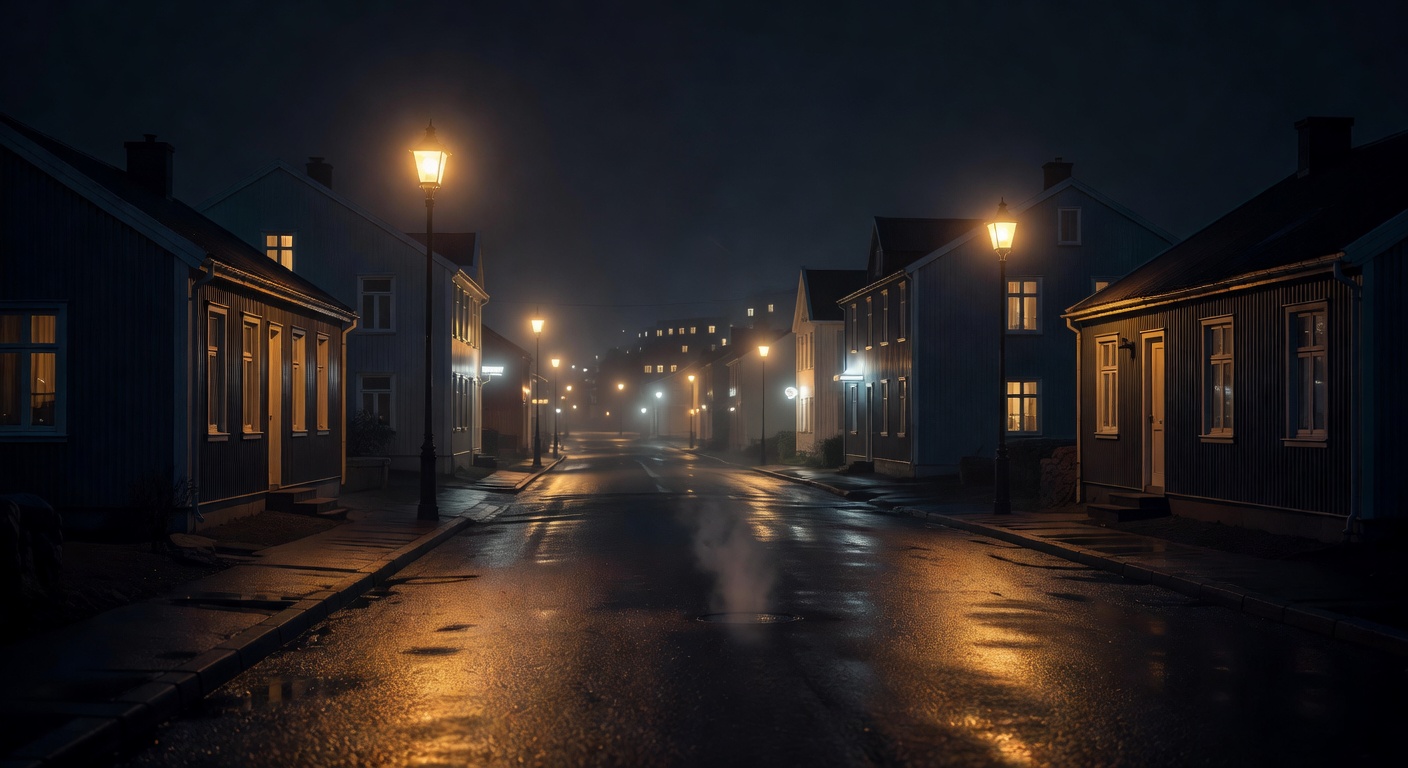
Reykjavík is the country's only real nightlife hub, and its scene is bars and clubs, not commercial sex. The main strip is Laugavegur and the connected downtown streets — Austurstræti, Bankastræti and Hverfisgata — where the weekend djamm plays out across pubs, live-music bars, cocktail spots and late clubs. It is a compact, walkable, sociable district, and it is where any visitor should spend their evenings; it is safe, lively and genuinely fun, but it contains no red-light element and, by law, no strip clubs.
Akureyri, the largest town in the north, has a modest bar scene of its own, and other towns have a pub or two, but nothing resembling an organised adult district exists outside the capital — and it does not really exist inside it either. Any paid-sex activity in Iceland is almost entirely online and discreet; there are no venues to "map" because there legally are none. This is the honest picture: Iceland has an excellent night out and no adult-entertainment scene in the sense the term usually implies. A visitor looking for the latter has come to the wrong country, and the guide would be dishonest to pretend otherwise.
Local Trafficking Indicators
Despite its size and wealth, Iceland is not free of human trafficking, and international monitoring bodies — including the Council of Europe's GRETA group and the annual US State Department Trafficking in Persons reporting — have consistently identified it as both a destination and transit point. Exploitation here has appeared in labour sectors (construction, tourism, hospitality) as well as in the informal sex trade, frequently involving people brought from elsewhere in Europe and beyond.
The indicators to be aware of are the standard ones, and they are exactly why the underground market is ethically fraught: a person who does not control their own movements or documents, who is managed by a third party, who cannot speak freely, who appears rotated between locations, or who shows signs of coercion or debt bondage. Because Iceland's trade is small, online and third-party-facilitated, the risk that any given transaction involves a coerced or trafficked person is not trivial. Anyone who encounters signs of trafficking or exploitation can and should contact the police via 112, and specialist support and counselling services for survivors of sexual violence and exploitation operate in Reykjavík.
Getting Around
Iceland is easy to navigate but built around cars and buses, not urban rail — there is no metro or tram anywhere in the country. Central Reykjavík is small enough to cover entirely on foot, which is how most of the nightlife is best reached. The city's public buses are run by Strætó (the yellow buses), useful in daytime but sparse late at night. Taxis are licensed, safe and metered but expensive, and are booked by phone or app or picked up at ranks rather than reliably hailed; established operators such as Hreyfill serve the capital. International ride-hailing like Uber has not historically operated in Iceland, so do not rely on it.
Most visitors arrive at Keflavík International Airport, roughly 45 minutes from Reykjavík, and reach the city by pre-booked airport shuttle coach (the Flybus and similar services) or rental car. For travel beyond the capital, a rental car is effectively essential — the Ring Road and the interior are not served by nightlife-relevant transit, and weather and road conditions can change fast, so check forecasts and road status before driving.
Money & Practicalities
Iceland is one of the most cashless societies in the world. Debit and credit cards — including contactless — are accepted virtually everywhere, from bars to buses to remote petrol stations, and many travellers never handle physical cash at all. The currency is the Icelandic króna (ISK). You do not need to carry large amounts of cash, and paying by card is the norm rather than a courtesy.
The dominant practical fact is cost. Iceland is genuinely, consistently expensive: alcohol in particular is heavily taxed and a single night out can run to a startling sum, while accommodation, food and transport all sit well above European averages. VAT is high and already included in displayed prices. Tipping is not customary or expected — service is included, and you should not feel obliged to add anything. Budget generously, assume a night of drinking downtown will cost far more than you would pay at home, and treat the absence of a paid-adult economy not as an inconvenience but as an accurate reflection of what this small, expensive, safety-first country actually is.
Resources
For any emergency — police, ambulance or fire — dial 112, the single national emergency number, which has English-speaking operators. For non-urgent police matters, the Lögreglan (national police) can be contacted through their local stations and website. Serious sexual-health needs and STI testing are handled through the public health system and Landspítali, the national university hospital in Reykjavík; pharmacies (apótek) supply condoms and emergency contraception.
Specialist support exists for anyone affected by sexual violence, exploitation or trafficking. Stígamót, a long-established Reykjavík counselling and education centre for survivors of sexual violence, and Bjarkarhlíð, a family-justice and support centre in Reykjavík, both provide confidential help, and the national Women's Shelter (Kvennaathvarf) offers refuge. These organisations, together with the police, are the right channels if you witness or experience coercion, trafficking or abuse. If you take one thing from this guide, let it be the combination that defines adult travel in Iceland: it is exceptionally safe and welcoming, buying sex is a criminal offence for the buyer, and there is no organised adult scene to seek out — only an expensive, friendly night out and a legal regime built to protect the vulnerable rather than the tourist.