Brazil · City Guide
Salvador (Bahia)
Afro-Brazilian cultural capital — Pelourinho heritage core, Barra beach scene, Carnival as Brazil's most intense.
Legal Model
Legal (sale); pimping illegal
Risk Level
Medium-High
Currency
BRL R$
Language
Portuguese / Limited English
Tipping
Negotiated
Emergency
190
Why Salvador is unique
Salvador, capital of Bahia, has Brazil's deepest Afro-Brazilian cultural roots. The adult-tourism scene is woven into a broader nightlife and music context — capoeira, samba-de-roda, and the Carnival circuit shape the social fabric. Prices are mid-range for Brazil; the security situation requires more caution than Fortaleza or Recife.
Legal status — local reality
Federal Brazilian law applies. Bahia has higher crime rates than the rest of the Northeast, and Salvador's tourist police are visible in Pelourinho but absent in many residential areas. Client legal risk is low for adults; situational/safety risk is elevated.
Named venues & areas
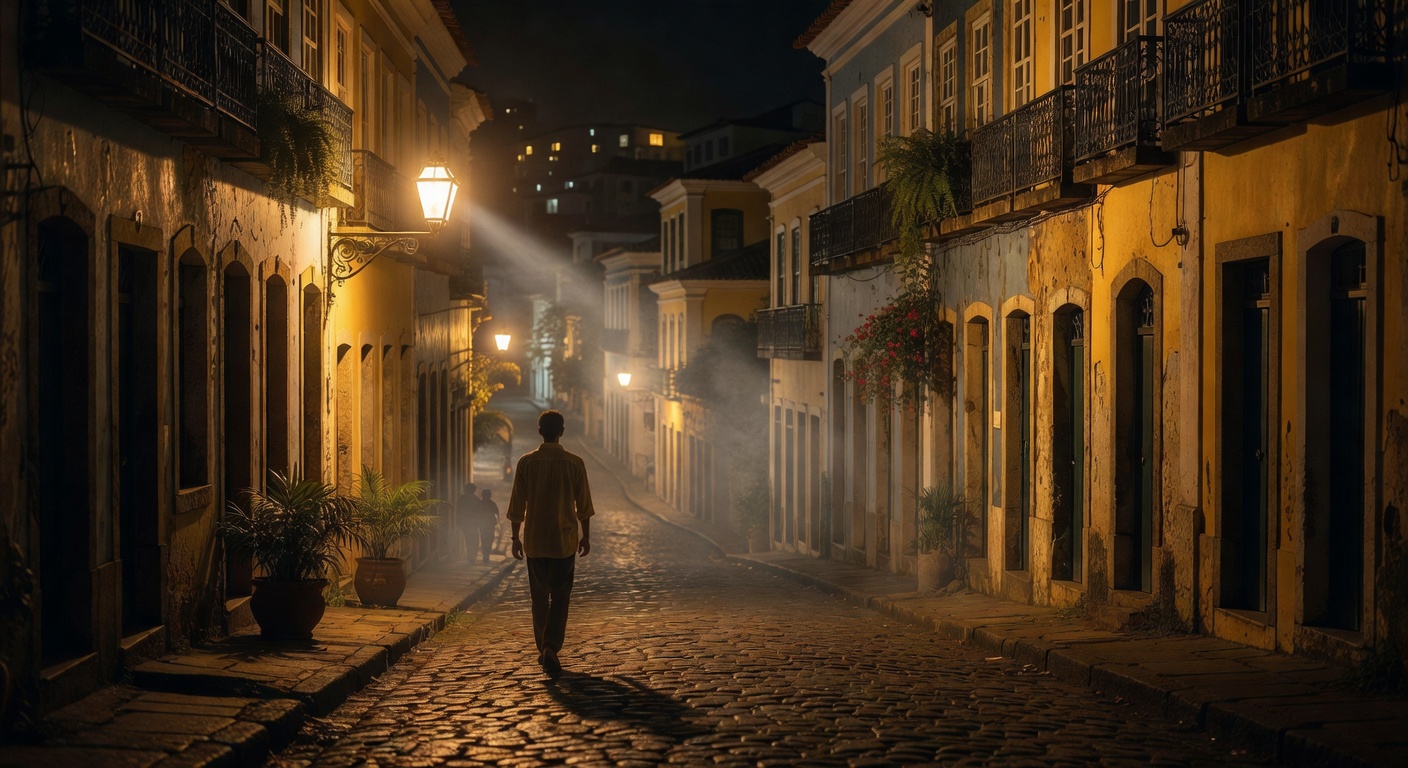
- Pelourinho — Historic centre, UNESCO site, music venues. Some adult activity but small.
- Barra — Beach district; several bars and a few mid-tier clubs with adult activity.
- Rio Vermelho — Bohemian district; nightlife concentration; some adult-friendly clubs.
- Several termas across the metro area; smaller scale than Fortaleza.
Carnival
Salvador Carnival (Feb/Mar) is the largest street party in the world by some counts. The adult-tourism market intensifies enormously. Pickpocketing and assault risk rise correspondingly. Hire local guides if attending Carnival blocos for the first time.
Neighbourhoods
- Barra — Tourist-focused, beach hotels.
- Rio Vermelho — Nightlife.
- Pelourinho — Heritage core; tourist police present.
- Lower City / Comércio — Avoid at night.
- Outlying favelas — Do not enter without local guide.
Risks specific to Salvador
- Mugging risk in Pelourinho after dark — even with police presence.
- Carry only daily cash; leave passport in hotel safe.
- Use Uber, never street taxis.
- Drink-spiking is common in Barra and Rio Vermelho bars.