WAG
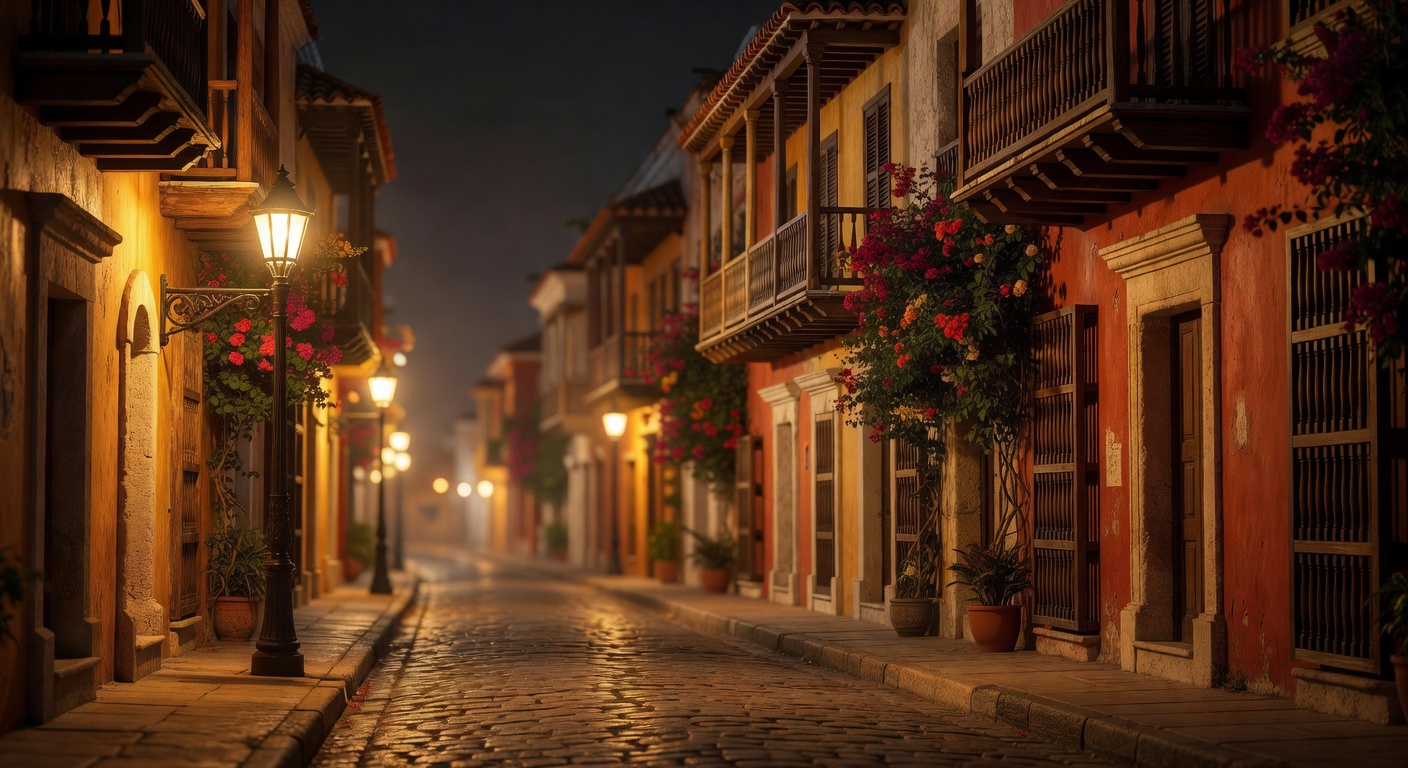
warm urban street lights, cinematic, no text overlay

Colombia · City Guide

Cartagena

Centro Histórico cruise-tourist scene, Bocagrande beach resort, the unique Colombian Caribbean adult-tourism dynamics — and substantial cruise-day pricing surges.

Legal Model

Legal (regulated zones)

Risk Level

Medium

Currency

COP $

Language

Spanish / Tourist English

Tipping

Negotiated / 10% restaurants

Emergency

123

Cartagena — the cruise-tourist Caribbean

Cartagena's adult-tourism market is structurally different from Medellín's or Bogotá's. The colonial Old Town (Centro Histórico) hosts massive cruise-ship tourist volume during the November-April high season. Tourist pricing is significantly higher than in Medellín; security situation tighter due to cruise infrastructure. The Bocagrande beach resort area hosts hotel-bar pickup scenes; Getsemani is the bohemian district. Tijuana-style street activity exists but is heavily policed.

Districts

  • Centro Histórico (Old Town) — UNESCO walled colonial core; tourist concentration; restaurants and bars dominate.
  • Getsemani — bohemian district just outside Old Town; bars, hostels, mid-tier adult activity.
  • Bocagrande — beach resort strip; tower hotels; hotel-bar pickup scenes.
  • El Laguito — Bocagrande tip; upscale residential / hotels.
  • Castillogrande — exclusive residential; some premium tier.
  • Avoid — peripheral neighbourhoods (San Francisco, Olaya Herrera) at night; areas outside the tourist police zone.

Pricing — cruise-tourist premium

  • Centro Histórico / hotel-bar pickup — COP 400,000-800,000 (USD 100-200).
  • Bocagrande hotel-area — COP 500,000-1,000,000.
  • Premium / GFE — COP 1,500,000-3,500,000 (USD 380-880).
  • Overnight — COP 3,500,000-8,000,000.

Cruise-ship-day surge: 30-50% on standard rates; premium tier less affected because regular clients have established providers.

Scam patterns

  • Scopolamine drink-spiking — documented in Centro Histórico and Bocagrande bars. Memory loss + theft + sometimes assault. Single biggest tourist-targeted threat. Watch every drink.
  • Tinder kidnapping pattern — pre-2024 cases prompted US State Department warnings. Verify dates aggressively; meet in public spaces.
  • Tourist-restaurant overcharge in Centro Histórico — not adult-services specific.
  • "Tour guide" touts selling specific venues — they're paid; verify pricing.
  • Underage misrepresentation — Colombian AOC 14 but commercial sex requires 18. Verify aggressively.
  • Counterfeit large bills — verify 50,000 and 100,000 COP notes.

Hotels

Centro Histórico boutique hotels are mostly guest-friendly. Bocagrande tower hotels (Hilton, Holiday Inn, Caribe) are reliably permissive. Premium properties (Sofitel Santa Clara, Casa San Agustín) more strict.

Transit, cash, language

  • Walking covers Centro Histórico and Getsemani.
  • Uber + InDriver for longer trips; never street taxis.
  • CTG airport to Bocagrande: Uber COP 30,000-50,000 (15 min).
  • ATM daily limits 600,000-1,000,000 COP.
  • Spanish essential; English at premium tier and cruise-tourist venues.

Health

Adequate private healthcare. STI testing available at private labs (COP 200,000-500,000). PrEP via NGOs.

Related

Common questions about Cartagena

Is paying for sex legal in Cartagena?

Colombia's country-level legal status is described as "legal-regulated," permitting commercial sex within designated tolerance zones that require registration, and Cartagena's own guide lists its legal model as "Legal (regulated zones)" with a Medium risk level. Age is a separate concern from that framework: Colombia's general age of consent is 14, but commercial sex requires the client and worker to be at least 18, and the guide urges verifying age aggressively because underage misrepresentation is a documented risk.

What are the biggest scams or safety risks in Cartagena's adult-tourism scene?

The single biggest tourist-targeted threat is scopolamine drink-spiking, documented in bars in both Centro Histórico and Bocagrande, which can cause memory loss, theft, and sometimes assault; travelers are advised to watch every drink. A "Tinder kidnapping" pattern was also reported in cases before 2024 and prompted US State Department warnings, so the guide recommends verifying dates aggressively and meeting in public spaces. Other flagged risks include paid "tour guide" touts who push specific venues and should have their pricing verified, and counterfeit 50,000 and 100,000 COP notes.

How much should adult entertainment cost in Cartagena, and why do prices spike?

The guide lists Centro Histórico and hotel-bar pickups at COP 400,000-800,000 (USD 100-200), the Bocagrande hotel area at COP 500,000-1,000,000, premium/GFE arrangements at COP 1,500,000-3,500,000 (USD 380-880), and overnight arrangements at COP 3,500,000-8,000,000. Standard rates surge 30-50% on cruise-ship days, since Centro Histórico sees massive cruise-tourist volume especially in the November-April high season; premium-tier pricing is less affected because those clients tend to have established providers.

Which areas of Cartagena should travelers avoid?

The guide flags the peripheral neighborhoods of San Francisco and Olaya Herrera as areas to avoid at night, along with any areas outside the tourist police zone. Centro Histórico, Getsemani, and Bocagrande are instead where the adult-tourism and hotel-bar pickup scenes concentrate, and the guide notes that Cartagena's overall security situation is tighter than in other Colombian cities because of cruise infrastructure, though Tijuana-style street activity does exist and is heavily policed.

Are Cartagena's hotels okay with bringing a guest back to the room?

Policy varies by property tier. Centro Histórico boutique hotels are described as mostly guest-friendly, and Bocagrande tower hotels such as the Hilton, Holiday Inn, and Caribe are reliably permissive, while premium properties including the Sofitel Santa Clara and Casa San Agustín are noted as more strict.

Where can travelers get STI testing in Cartagena?

Cartagena has adequate private healthcare, and STI testing is available at private labs for roughly COP 200,000-500,000. PrEP is also available through NGOs.