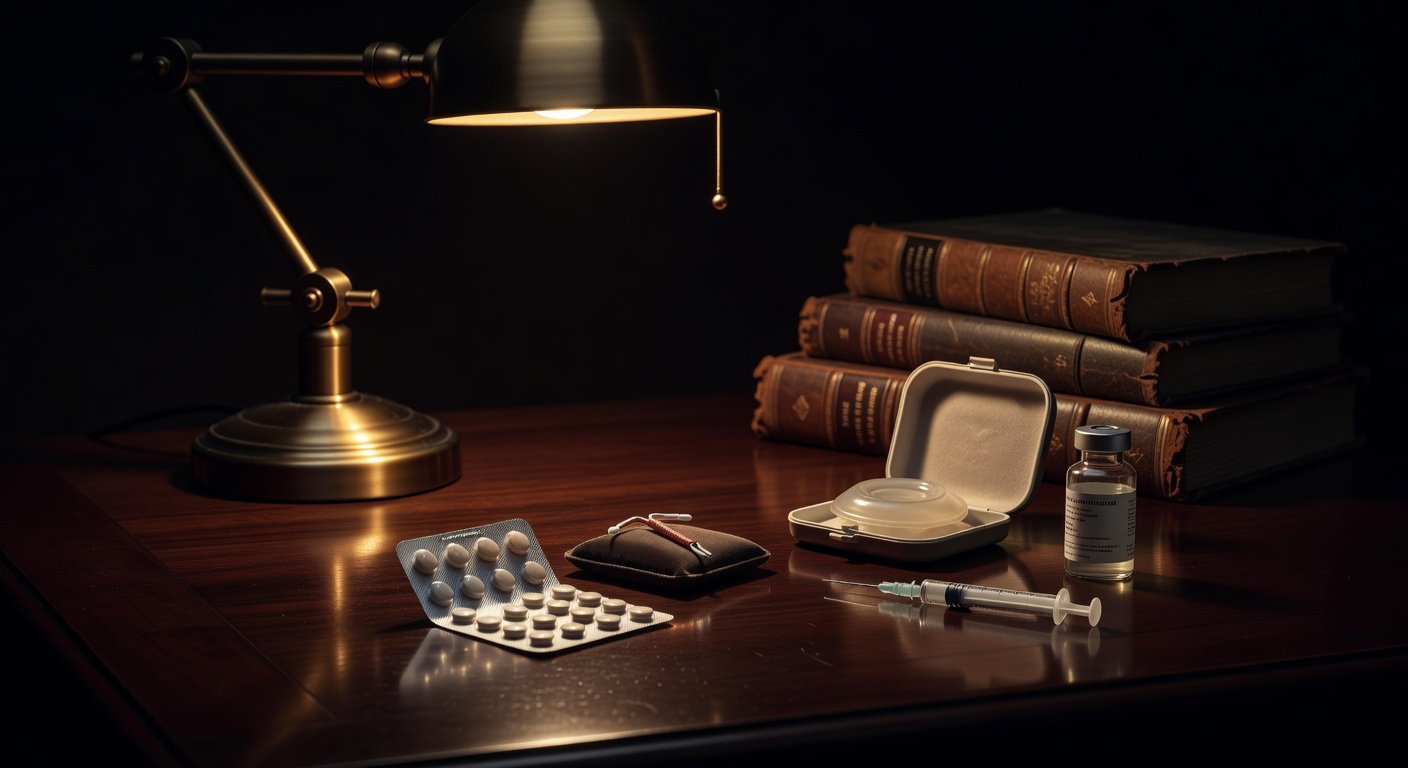
Contraception planning for adult-tourism trips serves three purposes: pregnancy prevention; STI / HIV prevention; and emergency contingency. Different methods serve different purposes; no single method covers everything. Plan multi-layered protection.
Barrier methods (the foundation)
External condoms remain the foundation — STI + pregnancy prevention; effective when used correctly; widely available globally. Bring your own (don't rely on local supply); check expiration dates; use water-based or silicone lubricants (not oil with latex). Internal condoms (insertive method, often called female condoms) provide an alternative when external condoms aren't available or preferred. Dental dams for oral on female anatomy.
Hormonal methods
For female adult tourists: Combined oral contraceptives (pills) require daily compliance; time-zone changes can disrupt; bring extra in case of travel disruption. Long-acting reversible contraceptives (LARC) — IUD or implant — set-and-forget; ideal for adult-tourism contexts since no daily compliance required. Patch / ring — weekly or monthly; convenient but require replacement schedule. Injection (Depo-Provera in US, similar elsewhere) — 3-month coverage.
Emergency contraception
Emergency contraception (Plan B, ella, Mifepristone-based methods) provides post-exposure pregnancy prevention. Effective up to 72-120 hours after unprotected sex depending on method. Availability varies by country: OTC in most of EU, US, UK, Canada, Australia; Prescription required in some markets; Limited or restricted in some Catholic-influenced countries and most Muslim-majority countries. Plan to bring it with you to restricted markets.
PrEP for HIV-specific risk
Pre-exposure prophylaxis (PrEP) for HIV-specific prevention. Daily or 2-1-1 dosing (the latter for MSM specifically). Available through prescription. For high-frequency adult tourists, PrEP is the standard recommendation. See PrEP availability tool for country-by-country access. Generic versions widely available in Thailand, parts of LatAm, and increasingly in Western markets through specialty clinics.
PEP for emergency situations
Post-exposure prophylaxis (PEP) for HIV exposure events. 28-day course of HIV antiretrovirals starting within 72 hours (sooner is better) of potential exposure. Available through emergency rooms, sexual health clinics, and increasingly through telehealth in some markets. Coverage by destination varies; most major Western cities have explicit PEP protocols.
STI-specific considerations
Beyond HIV: Hepatitis B vaccination (3-dose series, lifetime coverage) — bring vaccination records or complete before travel. Hepatitis A for some destinations. HPV vaccination if not already completed (approved up to age 45 in most jurisdictions). Routine STI testing 14-28 days post-trip for chlamydia, gonorrhoea, syphilis; HIV at 90 days for full antibody window.
Travel-specific contraception logistics
(1) Check expiration dates; pills should have months of margin. (2) Carry in original packaging with prescription if applicable. (3) Some countries restrict bringing certain medications; verify destination customs rules. (4) Time-zone shifts may need pill-timing adjustment. (5) Backup methods if you might run out. (6) Travel insurance covering pharmaceutical needs.