Guide
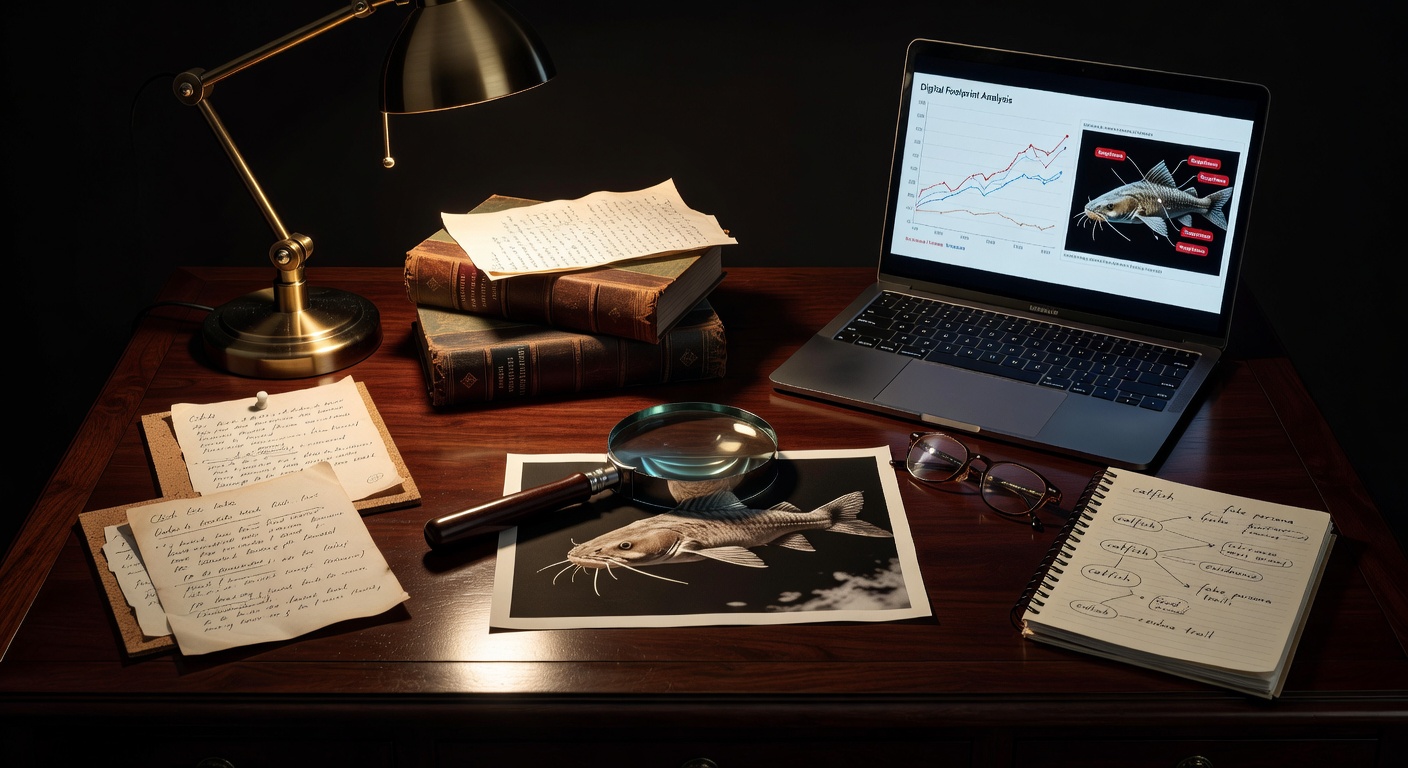
Catfish Detection Deep Dive — Beyond Reverse Image Search
Reverse image search is partially defeated. The catfish detection toolkit needs upgrading.
The 2026 reality
AI image generation produces convincing fake provider photos. Voice cloning makes phone verification iffy. Video deepfakes exist but high-effort.
Methods that still work
- Live video — request specific gestures (e.g. "show the room", "make this hand sign now") that real-time defeat pre-generated content
- Multi-year review history — 2026 catfish operations have ~6-month lifecycles
- Direct provider website with consistent multi-shoot history
- Specific real-time context — "what's the weather there now?" "what's on TV in your room?"
When suspicion is right
Refuses video. Stories shift between conversations. Photos look airbrushed-perfect. Demands deposit before any verification step. Pressure to act quickly. Profile created in last 90 days. Reviews all from anonymous accounts. Rates significantly below market.
Frequently Asked Questions
Should I always video-verify?
What about voice-only verification?
TinEye / Yandex / Google reverse-image search?
Why this matters now
The piece above frames the topic; the practical implications need additional development. Specifically:
- What changed recently (last 12–24 months) that makes this worth re-examining.
- What the immediate practical consequences are for buyers, providers, and platforms.
- What second-order effects to expect over the next 6–18 months.
- What signals to watch for as the situation develops.
The empirical picture
Beyond commentary, the data tells a specific story. Where the available data points are strong, what they show; where the data is weak, what the honest gaps are.
How this affects different audiences
- For first-time clients — what to factor into trip planning.
- For experienced regulars — what changes in your existing patterns.
- For providers — what shifts in your career planning.
- For policymakers and researchers — what questions emerge.
Related coverage
- Country region guides — for empirical local information.
- Guide library — for related deep-dives.
- Blog index — for ongoing analysis.
- Community forum — for live discussion.