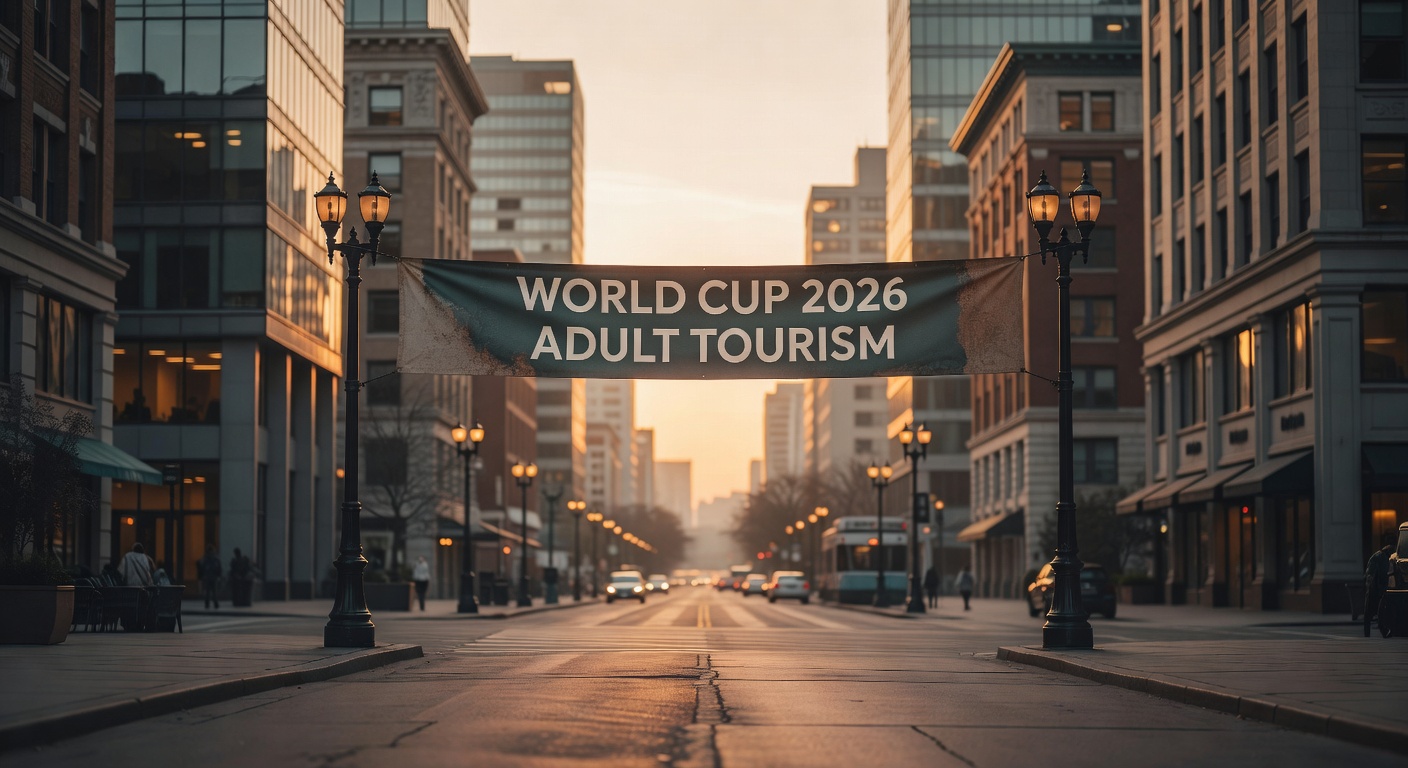
USA, Mexico, Canada · June 11–July 19 2026
World Cup 2026 — Adult Tourism Implications for Host Cities
Mexico, USA, Canada co-host the most distributed World Cup in history. What it means for the adult-tourism scene in 16 host cities.
The structural shift
For the first time, World Cup spans three countries with completely different sex-work legal regimes. Mexico (legal in most states), USA (illegal nationwide except rural Nevada), Canada (Nordic-model PCEPA since 2014). Tournament travellers who chase matches across cities navigate three regimes in five weeks.
Host cities and their scenes
Mexico (Guadalajara, Monterrey, Mexico City): Most permissive. CDMX scene robust regardless of tournament; expect tourist surge to Sullivan and Zona Rosa.
USA (Atlanta, Boston, Dallas, Houston, Kansas City, LA, Miami, NYC, Philadelphia, Seattle, San Francisco Bay): All illegal at federal level; varying state-level enforcement. Miami's premium agency model is the most tournament-tourism-ready. NYC and LA support large independent provider scenes via Tryst/LeoList.
Canada (Toronto, Vancouver): PCEPA criminalises buyers. Charges are uneven but real. Toronto has the largest independent scene; Vancouver is mid-sized.
Booking dynamics
Match-day surcharge: Mexican tournaments add 20–40% to hotel rates on match days. Provider bookings: book 4+ weeks ahead in any host city for the match week. Independent providers in CDMX, Toronto, NYC report sold-out calendars two weeks before each city's matches.
Avoid: day-of bookings via unfamiliar directories — sting operations specifically target tournament-tourist traffic in Atlanta, Houston, Boston historically.
The surge — what changes when the event hits
Major events transform the local adult-services market in three predictable ways: (1) hotel rates double or triple, compressing the budget for sessions; (2) premium and English-fluent providers travel in from other cities, increasing supply at the top of the market; (3) the bottom of the market gets crowded with opportunistic providers and visible scam operators, especially in tourist-core areas.
The net effect: premium tier becomes more competitive and slightly cheaper relative to baseline; budget tier becomes more dangerous and more expensive than usual. The honest play during major events is to skip the budget tier entirely and either go premium or skip the trip.
Booking ahead — how far is enough
- 4–6 weeks ahead for major events (F1, Carnival, Oktoberfest, World Cup matches, fashion weeks) — premium providers fill up; hotels lock in surge rates.
- 2–3 weeks for second-tier events (regional festivals, trade fairs without major-press coverage) — meaningful pricing impact but more flexibility.
- Same week for genuinely-event-agnostic providers — if your provider lives in the host city year-round and isn't event-dependent for traffic, last-minute booking is fine. Don't assume; check.
- Travel-companion arrangements for events need 8–12 weeks lead time. Premium companions plan their event calendars far in advance; you're competing with other clients for the same individuals.
Hotel strategy during events
- Book the hotel before the event was announced. Once the event is on travel-aggregator front pages, the prices have already moved.
- Stay outside the official event district. 15–20 minutes by metro / taxi from the venue gets you 40–60% off hotel rates and significantly less foot-traffic congestion.
- Confirm guest policy in writing before you arrive. Some hotels temporarily tighten guest policies during high-profile events to avoid press incidents.
- Avoid hotels hosting event teams or VIPs. Police presence and corporate security are heaviest there; guest policies are strictest; nothing about your trip benefits.
Scam patterns specific to event weeks
- Stolen-photo "event tour" listings. Listings claiming providers are "in town for [event]" with stolen Western model photos are an event-week staple. Verify aggressively.
- Bar/club bill inflation reaches peak levels. During major events, tourist-core clubs explicitly price for the visiting demographic. Confirm pricing in writing.
- Counterfeit event-tied currency surges: counterfeit large notes in circulation peak around major events.
- Taxi scams target arriving travellers. Use the app, not the queue.
What to budget on top of base trip
- Hotels +50–200% over baseline. The biggest single delta.
- Premium session rates +20–40%. Travel premium plus event-week demand.
- F&B + entertainment +30–60%. Tourist-core restaurants and bars adjust prices.
- Transport: marginal. Public transport runs on regular fares; ride-share surges modestly.
- Time cost. Sessions take longer end-to-end because of traffic / crowds. Pad estimates by 30–40%.
Health and safety during events
Event weeks coincide with elevated alcohol consumption, drug use (especially MDMA / ketamine / cocaine at major music-adjacent events), and reduced sleep — all of which compound chemistry-with-strangers risk. The substance-use guide and the new chemsex/PnP harm-reduction guide are worth re-reading before any event-week trip.
STI screening capacity in host cities reduces during event weeks because tourists overload clinics. Plan testing for the week after you return home, not before departure.
When to skip the event entirely
Honestly: most regulars who visit the same city year-round avoid event weeks. The premium tier doesn't get better, the budget tier gets worse, hotels are more expensive, hotel guest-policies tighten, and the entire experience feels rushed. Unless you're attending the event itself, the right move is to time the trip for the off-season — the same city 4–6 weeks before or after the event delivers a better experience at 40–60% of the cost.