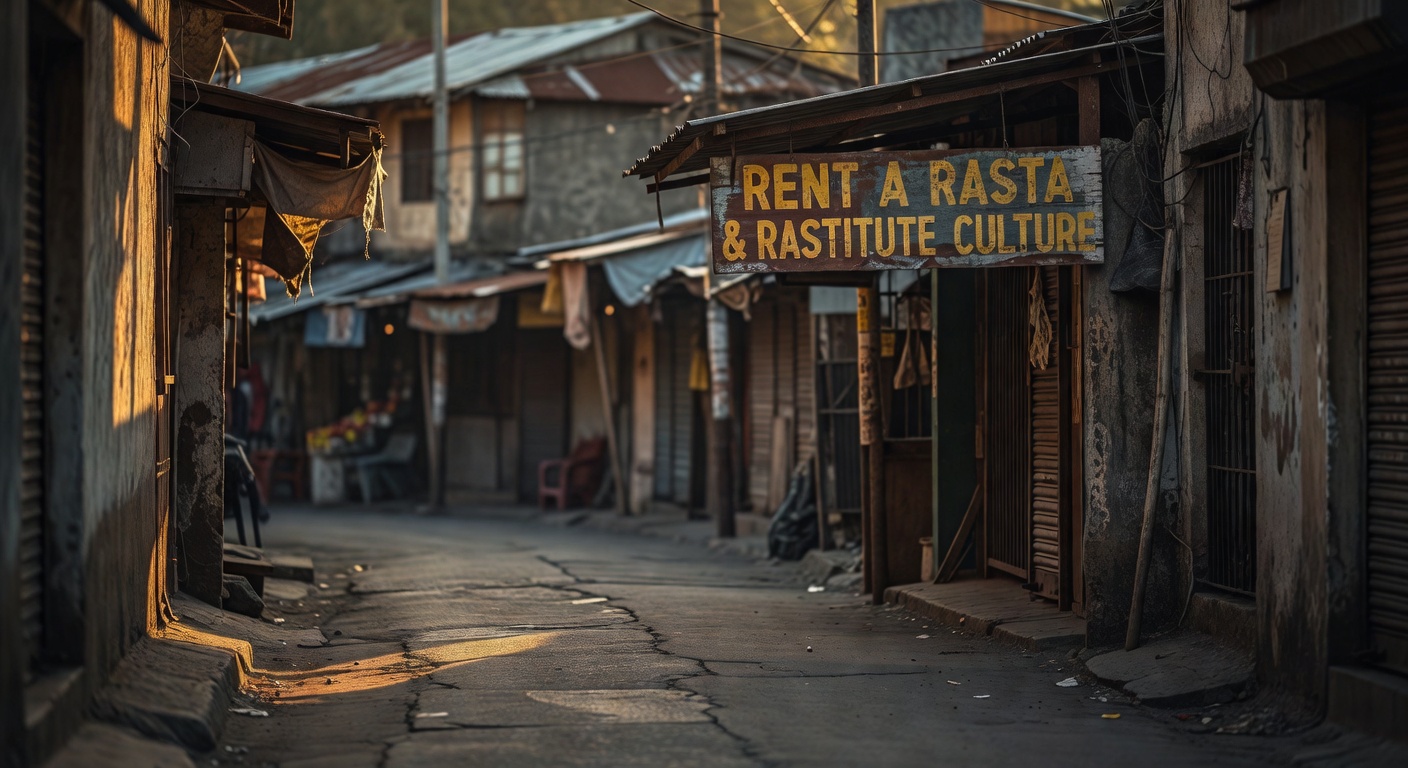
Rent-a-Rasta and Rastitute Culture in Jamaican Tourism
"Rent-a-rasta" and "rastitute" describe a cultural phenomenon distinctive to Jamaican tourism — local men (often of Rastafarian self-identification or aesthetic) providing companionship and sexual services to foreign female tourists in resort areas. The pattern is established, has its own community vocabulary, and operates under specific economic and cultural dynamics.
The cultural framework
The pattern emerged in the 1970s-80s with the growth of all-inclusive Caribbean tourism. The cultural framing is distinctive: not pure commercial transaction (Jamaican prostitution operates differently); not pure dating relationship; an explicit social-economic exchange in which provider receives material support and visibility / nightlife access, client receives companionship / sex / Caribbean-romance experience. The "rasta" aesthetic — dreadlocks, ganja, beach-musician affect — is part of the product.
Geography
Concentrated in: Negril (Seven Mile Beach + West End cliffs); Montego Bay (Hip Strip + nearby beaches); Ocho Rios; Treasure Beach; less so in Kingston (urban, different demographic). All-inclusive resort areas filter for tourist concentration.
Economic structure
The arrangement typically involves: nominal direct payment (often $50-150 per evening / day); paid meals, drinks, beach equipment; ongoing financial support requests during and post-trip; visit-extension or return-trip arrangements. Total annual flow from foreign female tourists to Jamaican "rasta" providers is estimated in the millions of USD.
Safety and ethics considerations
(1) The interaction is consensual but economically asymmetric; (2) Health considerations apply same as any context — barrier protection critical; HIV prevalence in Jamaica ~1.5% adult; (3) Drug-bait scams documented — free ganja followed by "police" demanding payment; (4) Theft from hotel rooms during sessions documented in budget tier; (5) Emotional / financial extraction patterns occur; (6) The cultural framing can romanticise dynamics that are functionally commercial; honest framing matters for both sides.
Comparison to similar Caribbean patterns
Similar patterns exist in DR ("playero"), Cuba ("jinetero"), Kenya ("beach boy"), Gambia ("bumster"). Cultural specifics differ but economic structure is similar. The Cuban jineterismo is most-distinct due to socialist-economy framing.