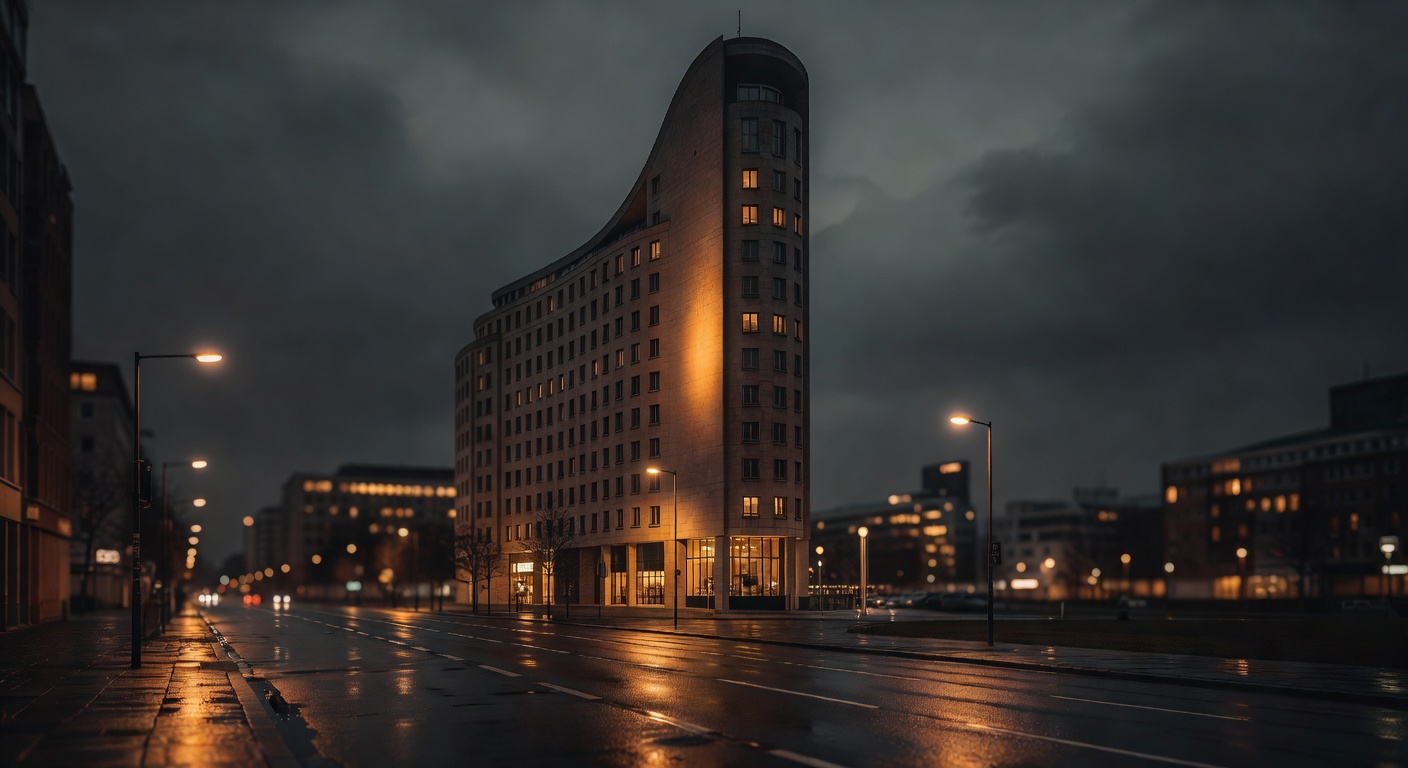
Pascha Cologne — Profile of Europe's Most Famous Laufhaus
Pascha in Cologne was, until 2020, Europe's largest laufhaus — a 12-storey high-rise on Hornstraße housing up to 120 workers and serving over 1,000 visitors per day at peak. The building still stands and has partially reopened under reformed management. This is the story of how Pascha became the institution it was, why it closed, and what its legacy means for the European adult-tourism market.
The founding and expansion
Pascha was founded in 1972 by Hermann Müller, who acquired the Hornstraße building and transformed it into a single-building laufhaus complex. Through the 1980s and 1990s, the property expanded to 12 stories with private apartment-rooms on each floor, a bar/lounge area, restaurant, and 24/7 operations. By the 2000s, Pascha was generating multi-million-euro revenue annually under a model that gave each worker an individual apartment at fixed rent (~EUR 175/day) while operating as an independent contractor.
The model
Pascha's structural innovation was the rent-based laufhaus model: workers paid rent for their rooms; the building provided security, marketing, infrastructure; workers kept 100% of session revenue. This separated the operator from any direct involvement in commercial sex (relevant under German pimping law) while providing safe, well-equipped working conditions. The model was replicated across Germany and informally globally.
The 2020 closure
The COVID-19 pandemic forced Pascha to close in March 2020. The 6-month closure produced massive financial losses; the building filed for insolvency in October 2020. Public statements at the time blamed pandemic restrictions specifically, but underlying business challenges had been mounting — online platforms had been reducing in-person traffic for years; competition from FKK clubs (the more spa-format alternative) had intensified.
The 2022 partial reopening
Pascha reopened in 2022 under different ownership and modified operations. The current property hosts fewer workers (~30-50 vs the peak of 120); the bar/restaurant operates; the 24/7 model has been replaced with regular operating hours. The current operation is closer to the European laufhaus norm than the unique pre-pandemic Pascha.
What Pascha meant
Pascha was unique because of its scale, professionalism, and cultural visibility. It featured in German media coverage as an example of how regulated sex work could operate. It influenced policy debates in Germany and across Europe. The economic model — operator-as-landlord, worker-as-independent — became the standard for German laufhaus operations. Its closure marked the end of an era in European adult-tourism.
Visiting today
The reformed Pascha operates with simpler operations. Worker selection is smaller; the bar/lounge is still active. Prices comparable to other Cologne laufhaus venues (EUR 40-80 standard). The building remains visible in central Cologne, just south of Hauptbahnhof. For most visitors interested in the Cologne adult-tourism scene, Pascha is one option among several; for those interested in the cultural-historical institution, the reformed version captures some but not all of the original significance.