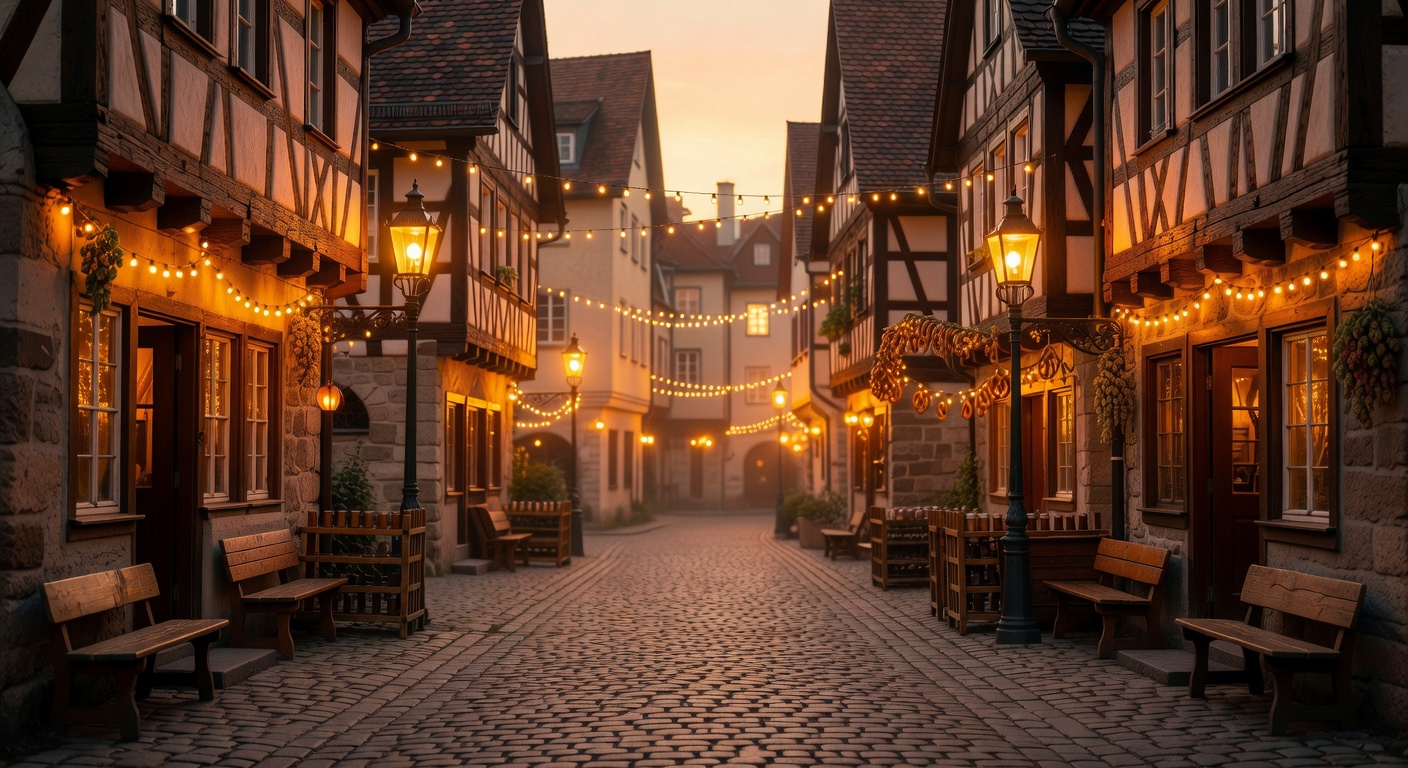
Munich · Sep 20–Oct 5 2026
Oktoberfest 2026 — Munich Adult-Tourism Guide
Two weeks in late Sep/early Oct that triple Munich hotel rates and restructure the local adult scene. Where to stay, when to book, what to avoid.
What Oktoberfest does to the city
Hotel rates triple. Mid-tier business hotels that ask EUR 120/night the rest of the year ask EUR 380–500. Book before March 2026 for any reasonable price; June onwards is desperate-pay-anything territory. Munich-Riem and southern suburbs are the price-sane fallback if central is impossible.
How the adult scene changes
Bahnhofsviertel runs at full intensity for the two weeks. FKK Sharks (Garching) and Sauna Diamond (Eching) are within reach by S-Bahn for clients staying central. Day-after demand patterns: most providers report bookings 11am–3pm dominate during Wiesn — clients who started drinking at 9am at the festival, wandered out, and want a calmer alternative. Premium independent providers in Schwabing report bookings stretching into Sunday following each weekend.
Scams elevated during Wiesn
Wiesn pickpockets work the U-Bahn lines from Hauptbahnhof to Theresienwiese. Inflated bar bills in central hostelry approach EUR 800. The "friendly local invites you for one drink" pattern surfaces strongly in central Maxvorstadt during Wiesn week. Filter aggressively.
Practical playbook
Book hotel + provider sessions before April 2026. Use FKK clubs outside the city — they keep normal pricing during Wiesn while central hotels and bars surge. Bring cash; ATMs in central Munich queue 30+ minutes during peak Wiesn. Check Wiesn dates before relying on this — Oktoberfest moves slightly each year (always ends first Sunday of October).
The surge — what changes when the event hits
Major events transform the local adult-services market in three predictable ways: (1) hotel rates double or triple, compressing the budget for sessions; (2) premium and English-fluent providers travel in from other cities, increasing supply at the top of the market; (3) the bottom of the market gets crowded with opportunistic providers and visible scam operators, especially in tourist-core areas.
The net effect: premium tier becomes more competitive and slightly cheaper relative to baseline; budget tier becomes more dangerous and more expensive than usual. The honest play during major events is to skip the budget tier entirely and either go premium or skip the trip.
Booking ahead — how far is enough
- 4–6 weeks ahead for major events (F1, Carnival, Oktoberfest, World Cup matches, fashion weeks) — premium providers fill up; hotels lock in surge rates.
- 2–3 weeks for second-tier events (regional festivals, trade fairs without major-press coverage) — meaningful pricing impact but more flexibility.
- Same week for genuinely-event-agnostic providers — if your provider lives in the host city year-round and isn't event-dependent for traffic, last-minute booking is fine. Don't assume; check.
- Travel-companion arrangements for events need 8–12 weeks lead time. Premium companions plan their event calendars far in advance; you're competing with other clients for the same individuals.
Hotel strategy during events
- Book the hotel before the event was announced. Once the event is on travel-aggregator front pages, the prices have already moved.
- Stay outside the official event district. 15–20 minutes by metro / taxi from the venue gets you 40–60% off hotel rates and significantly less foot-traffic congestion.
- Confirm guest policy in writing before you arrive. Some hotels temporarily tighten guest policies during high-profile events to avoid press incidents.
- Avoid hotels hosting event teams or VIPs. Police presence and corporate security are heaviest there; guest policies are strictest; nothing about your trip benefits.
Scam patterns specific to event weeks
- Stolen-photo "event tour" listings. Listings claiming providers are "in town for [event]" with stolen Western model photos are an event-week staple. Verify aggressively.
- Bar/club bill inflation reaches peak levels. During major events, tourist-core clubs explicitly price for the visiting demographic. Confirm pricing in writing.
- Counterfeit event-tied currency surges: counterfeit large notes in circulation peak around major events.
- Taxi scams target arriving travellers. Use the app, not the queue.
What to budget on top of base trip
- Hotels +50–200% over baseline. The biggest single delta.
- Premium session rates +20–40%. Travel premium plus event-week demand.
- F&B + entertainment +30–60%. Tourist-core restaurants and bars adjust prices.
- Transport: marginal. Public transport runs on regular fares; ride-share surges modestly.
- Time cost. Sessions take longer end-to-end because of traffic / crowds. Pad estimates by 30–40%.
Health and safety during events
Event weeks coincide with elevated alcohol consumption, drug use (especially MDMA / ketamine / cocaine at major music-adjacent events), and reduced sleep — all of which compound chemistry-with-strangers risk. The substance-use guide and the new chemsex/PnP harm-reduction guide are worth re-reading before any event-week trip.
STI screening capacity in host cities reduces during event weeks because tourists overload clinics. Plan testing for the week after you return home, not before departure.
When to skip the event entirely
Honestly: most regulars who visit the same city year-round avoid event weeks. The premium tier doesn't get better, the budget tier gets worse, hotels are more expensive, hotel guest-policies tighten, and the entire experience feels rushed. Unless you're attending the event itself, the right move is to time the trip for the off-season — the same city 4–6 weeks before or after the event delivers a better experience at 40–60% of the cost.