Kuala Lumpur Adult Guide 2026: Malaysian Dual Legal System, Health Services & Extreme Caution
A harm-reduction resource for Kuala Lumpur documenting Malaysia's complex dual legal system, the serious risks faced by workers and visitors, health services, and support resources. This guide emphasizes extreme caution throughout.
Why Kuala Lumpur Requires a Different Standard of Caution
Kuala Lumpur demands a harm-reduction analysis calibrated to a fundamentally higher level of legal and personal risk than most other major Southeast Asian cities. Malaysia's dual legal system — parallel civil and Sharia courts — creates a legal environment that is opaque, unpredictable, and potentially severe for those involved in adult activity, whether as workers, clients, or researchers. The combination of Islamic jurisprudence applicable to Muslims, civil criminal law applicable to non-Muslims, active enforcement, and genuinely harsh penalties places Kuala Lumpur in a different risk category than Bangkok, Manila, or even Jakarta.
This is not a guide that can present commercial adult services as simply "available with some precautions." In KL's legal environment, the precautions are of a different order than in most destinations, and the consequences of miscalculation — arrest, imprisonment, caning, deportation — are genuinely serious. This guide's primary purpose is harm reduction: helping workers understand their rights and health resources, and helping visitors understand the risks accurately so they can make informed decisions.
KL also exists in a context where a large informal adult economy has operated for decades — the city's role as a regional transport hub, its wealth relative to neighboring countries, and its significant tourist and business traveler population have all contributed. This guide documents that reality not to encourage participation but because harm reduction requires accurate information about what actually exists.
Malaysia's Dual Legal System
Civil Criminal Law (Applies to All)
Malaysia's civil Penal Code addresses commercial sex through several provisions:
- Section 372/373 (Penal Code): Importing, exporting, buying, selling, or obtaining a person for prostitution — serious trafficking offenses with heavy penalties.
- Section 372B: Living on or trading in prostitution — covers pimping and brothel operation. Penalties include imprisonment and fines.
- Common Gaming Houses and Brothels Act: Provides for the prosecution of brothel operators under a licensing framework that does not permit licensing of brothels — in other words, all brothels are illegal, and operating one is a criminal offense.
- Anti-Trafficking in Persons and Anti-Smuggling of Migrants Act 2007 (ATIPSOM): Malaysia's comprehensive anti-trafficking law, with penalties up to 20 years imprisonment for trafficking. The definition of trafficking in Malaysian law is broad and has been applied in ways that human rights organizations have criticized as sometimes capturing consensual adult migrants rather than trafficked persons.
Critically for visitors: buying sex is not explicitly criminalized as a standalone offense under Malaysian civil law in the way that the Nordic Model criminalizes buyers. The client is not the primary target of civil law enforcement. However, presence in a location being raided, or participation in an arrangement that police characterize as facilitating prostitution, can result in detention, deportation, and in some cases prosecution.
Sharia Law (Applies to Muslims)
This is where Kuala Lumpur's legal environment diverges most sharply from any other major tourist destination in Southeast Asia. Malaysia operates parallel Sharia courts that have jurisdiction over Muslims in personal and religious matters. Sexual offenses under Sharia law — including zina (sexual intercourse outside marriage) — apply to all Malaysian Muslims regardless of what civil law says.
- Zina: Extramarital sexual intercourse is an offense under state-level Sharia law in all 14 Malaysian states. The offense applies to both parties. The evidentiary standard (four witnesses for the full Hudud penalty) is high in traditional interpretation, but ta'zir (discretionary) punishments are applied at much lower evidentiary thresholds. In practice, fines and short imprisonment terms for zina charges are documented in Malaysian Sharia court records.
- Khalwat (close proximity): Being in a secluded place with a member of the opposite sex who is not a spouse or close relative is an offense for Muslims under Sharia law. This is actively enforced — religious enforcement officers (JAWI in the Federal Territories, which includes KL) conduct khalwat raids on hotels, apartments, and other premises. These raids have detained foreign nationals in cases where one party was Muslim.
- Cross-application to foreigners: Non-Muslim foreigners are generally not subject to Sharia courts. However, the practical situation is complicated: if a foreign visitor is detained in a khalwat raid where the Malaysian partner is Muslim, the situation can escalate even if the foreigner's personal legal exposure under Sharia is nil. The disruption, detention, potential media attention, and immigration consequences are real even without Sharia conviction.
Enforcement Pattern
Malaysian law enforcement against adult activity is more consistently active than in some neighboring countries. The Department of Immigration, police vice squads, and religious enforcement officers (JAWI/JAKIM) all conduct independent operations, and coordination between these agencies on specific raids occurs. Hotels, karaoke bars, massage parlors, and apartment units have all been the subjects of raids. Foreigners caught in raids are typically processed for deportation and visa cancellation rather than prosecution, but immigration records are maintained and can affect future visa applications to Malaysia.
Enforcement patterns show periodic intensification around political events, religious holidays (Ramadan enforcement is notably more active), and following high-profile incidents. The pattern is not random — it is event-responsive — but the baseline enforcement level is higher than in Thailand or Cambodia.
Where the Informal Economy Operates
Despite the legal environment, KL has a well-developed informal adult economy. Understanding its geography is relevant for harm reduction — knowing where raids are more or less likely, and where health NGOs concentrate their outreach.
Chow Kit
Chow Kit, in central KL north of the city center, has the most historically visible street-level adult economy. The area is also one of KL's primary migrant worker and refugee neighborhoods, with significant populations from Myanmar, Bangladesh, Indonesia, and other countries. The street scene here involves both female and transgender workers, and it is an area where JPAM (Malaysia Civil Defence Force) and NGO health outreach workers regularly operate. Chow Kit is also genuinely rough by KL standards — petty crime, drug use, and social disorder are more present here than in the tourist areas.
Bukit Bintang
The Bukit Bintang area — KL's primary shopping and nightlife district — has a more upscale and tourist-oriented informal adult economy. The concentration of mid-range to luxury hotels (Pavilion area, Jalan Bukit Bintang, the surrounding streets) creates demand that is served through a combination of hotel bar social interaction, online platforms, and massage establishments with varying service levels.
Bukit Bintang is also where the KL monorail system makes transit straightforward, and where the main tourist police presence in KL is concentrated — which affects both visitor safety from petty crime and the visibility of enforcement against adult activity.
Petaling Street and Chinatown
The traditional Chinatown area around Petaling Street has a different character — more historically rooted in KL's Chinese community, with the adult economy less immediately visible than in Chow Kit or the hotel belt. Massage establishments in this area range from legitimate traditional Chinese medicine practices to grey-zone operations; the distinction is not always obvious from the street.
Online Platforms and Short-Stay Apartments
As in most Southeast Asian cities, the adult economy has moved substantially online. Malaysian classified sites and international platforms serve the market in KL, though Malaysian internet filtering blocks many adult sites and VPN use is necessary to access most international platforms. Short-stay apartments (serviced apartments are abundant in KL, particularly in the KLCC area) provide the private space for arrangements that formerly happened through hotels — and are harder for hotel security staff to monitor.
Health Services in Kuala Lumpur
This section is the most practically useful part of this guide for harm reduction purposes. KL has excellent medical infrastructure by regional standards, and accessing it for sexual health is important regardless of the legal environment surrounding the circumstances of exposure.
Private Hospitals
Kuala Lumpur has world-class private hospitals that serve both domestic and medical tourism patients. These facilities provide comprehensive sexual health services without judgment and with full confidentiality:
- Pantai Hospital Kuala Lumpur: Jalan Bukit Pantai — one of KL's largest private hospitals, English-speaking staff, comprehensive STI testing, 24-hour emergency. Estimated cost for full STI panel: MYR 300–700 (USD 65–150).
- Sunway Medical Centre: Subang Jaya (30 minutes from city center), internationally accredited, excellent sexual health services.
- Gleneagles Kuala Lumpur: Jalan Ampang — another major private hospital with good international reputation and English-speaking staff.
- Thomson Hospital Kota Damansara: Good reputation, somewhat more affordable than the flagship private hospitals.
Important note: Private hospitals in Malaysia are not required to report patients presenting with STIs to authorities. Medical confidentiality protections apply. There is no legal obligation for patients to disclose how they were exposed.
Public Health Services
Malaysia's public health system operates STI clinics (klinik kesihatan) that provide free or subsidized testing and treatment. The main public STI clinic serving KL is at Hospital Kuala Lumpur (HKL), the main government hospital — free services but significant waiting times and less English-language capacity than private facilities.
The Ministry of Health operates free HIV testing programs. HIV Malaysia (previously the Pink Triangle Foundation) is the primary NGO providing sexual health services to vulnerable populations including sex workers and LGBTQ+ individuals. They offer free HIV testing, counseling, and referrals. Their Kuala Lumpur office is the most accessible resource for workers seeking health services without judgment.
HIV and STI Context
Malaysia has approximately 90,000 people living with HIV, with an adult prevalence of approximately 0.4 percent nationally. The epidemic is historically concentrated among people who inject drugs and, more recently, among men who have sex with men (MSM). The sex worker population represents a significant epidemiological bridge, particularly given the high proportion of migrant workers who have limited access to regular health monitoring.
The combination of a punitive legal environment and HIV prevalence creates a particularly challenging harm-reduction situation. Workers who fear arrest may avoid health services, which reduces their access to testing, treatment, and prevention resources. NGOs like HIV Malaysia and PT Foundation work specifically to reduce this access barrier by providing non-judgmental, non-reporting health services to marginalized populations.
Condom Availability
Condoms are widely available at pharmacies (Guardian, Watsons), minimarkets (99 Speedmart, Tesco), and convenience stores throughout KL. There is no practical barrier to condom access in Kuala Lumpur for anyone who seeks them — the availability infrastructure is excellent. Harm-reduction NGOs also distribute free condoms through outreach programs.
The Migrant Worker Dimension
Kuala Lumpur's adult economy is substantially staffed by migrant workers — women from Indonesia, the Philippines, Thailand, Vietnam, Cambodia, and Myanmar, plus a smaller number from South Asia and, historically, from Eastern Europe and China. This migrant dimension is critical to understanding the harm-reduction picture:
Migrant workers without legal immigration status face layered legal exposure — immigration law violations on top of whatever adult industry-related offenses may apply. They typically have less access to health services, less knowledge of their legal rights, and less ability to seek help from authorities without risking detention and deportation. They are also more vulnerable to exploitation precisely because of this reduced legal protection.
The ATIPSOM anti-trafficking law has been criticized by human rights organizations including Amnesty International and Human Rights Watch for its application in ways that punish migrant sex workers for illegal immigration rather than treating them as potential trafficking victims. This is a documented pattern in Malaysian enforcement and is relevant to understanding the situation of foreign workers in KL's adult economy.
LGBTQ+ Considerations
Malaysia criminalizes same-sex sexual conduct under both civil and Sharia law. Section 377 of the Penal Code criminalizes "carnal intercourse against the order of nature" (applicable to non-Muslims and carrying up to 20 years imprisonment). Sharia law carries additional penalties applicable to Muslims. LGBTQ+ travelers face genuine legal risk that is not comparable to most countries discussed in these harm-reduction guides.
This is not a theoretical concern. Same-sex related prosecutions occur in Malaysia. The political environment since the mid-2010s has become more, not less, hostile to LGBTQ+ individuals. Foreign nationals are not exempt from prosecution under Section 377, though deportation rather than prosecution is the more common outcome for foreigners in practice.
For LGBTQ+ harm-reduction specifically, Seksualiti Merdeka is the primary Malaysian civil society organization. They have faced government suppression but maintain operations. PT Foundation has also historically provided services to gay and bisexual men and trans individuals.
Scams and Safety Risks
- Police extortion: Visitors, particularly in Chow Kit and certain nightlife areas, may be approached by persons claiming to be police and demanding payment to avoid arrest. Genuine Malaysian police carry official ID (Kad Polis) — ask to see it. Call 999 if you believe you are being extorted. Real police do not demand on-the-spot cash payments.
- Raid exposure: The practical safety risk of being present during a police or JAWI raid is disproportionately high in KL compared to other cities. Leaving any situation that is becoming disorderly, or where law enforcement appears to be preparing an operation in the vicinity, is the appropriate response.
- Online platform fraud: Photo fraud is prevalent in online listings. The general advice on reverse image searching applies with particular force in KL given the difficulty of recourse if an in-person encounter goes wrong.
- Drug exposure: Malaysia has mandatory death penalty provisions for drug trafficking offenses above threshold quantities. Drug-related legal exposure is categorically different in Malaysia than in most countries. Anything involving drugs in KL carries potentially life-altering legal risk for foreigners.
Practical Information
- Currency: Malaysian Ringgit (MYR). As of 2026, approximately MYR 4.5–4.7 to the USD. Cash is widely used; ATMs are ubiquitous throughout KL. Major bank ATMs (Maybank, CIMB, Public Bank) are the safest option.
- Transport: KL has a comprehensive rail system (MRT, LRT, Monorail, KTM Komuter). Grab (Southeast Asia's ride-app equivalent of Uber) is the safe option for taxis — NEVER take unmarked taxis or accept rides from strangers, as this has been a vector for robbery. Grab shows driver details and tracks the route.
- Mobile data: Celcom, Maxis, and Digi provide prepaid SIM cards available at the airport and convenience stores. VPN is necessary for accessing most international adult platforms, as Malaysia's internet filtering (through the Communications and Multimedia Commission) blocks them.
- Accommodation: KL has an extensive range of accommodation from budget hostels to ultra-luxury hotels. KLCC (Twin Towers area) and Bukit Bintang have the highest concentration of mid-range and luxury hotels. Guest policies vary — international brand hotels are generally more permissive about room guests than smaller local hotels, which may require guest registration at reception.
Support and Anti-Trafficking Resources
- Emergency services: 999 (police), 994 (ambulance), 991 (fire)
- Anti-trafficking hotline (MAPO): +603 8000 8000 — Malaysia's inter-agency anti-trafficking council hotline
- PT Foundation (Pink Triangle / HIV Malaysia): Petaling Jaya, provides non-judgmental HIV testing, sexual health services, and support for sex workers and LGBTQ+ individuals; +603 7877 5935
- AWAM (All Women's Action Society): Support for women facing violence, exploitation, or legal difficulties; +603 7877 0224
- Tenaganita: Organization supporting migrant workers and trafficking victims; +603 4041 4516
- IOM Malaysia: Counter-trafficking programs, victim support; Kuala Lumpur office +603 2011 3600
- Hospital Kuala Lumpur (HKL): Jalan Pahang — free HIV testing and STI services at the public clinic
- Pantai Hospital: Jalan Bukit Pantai — private, 24-hour, full sexual health services
Conclusion: An Honest Harm-Reduction Assessment
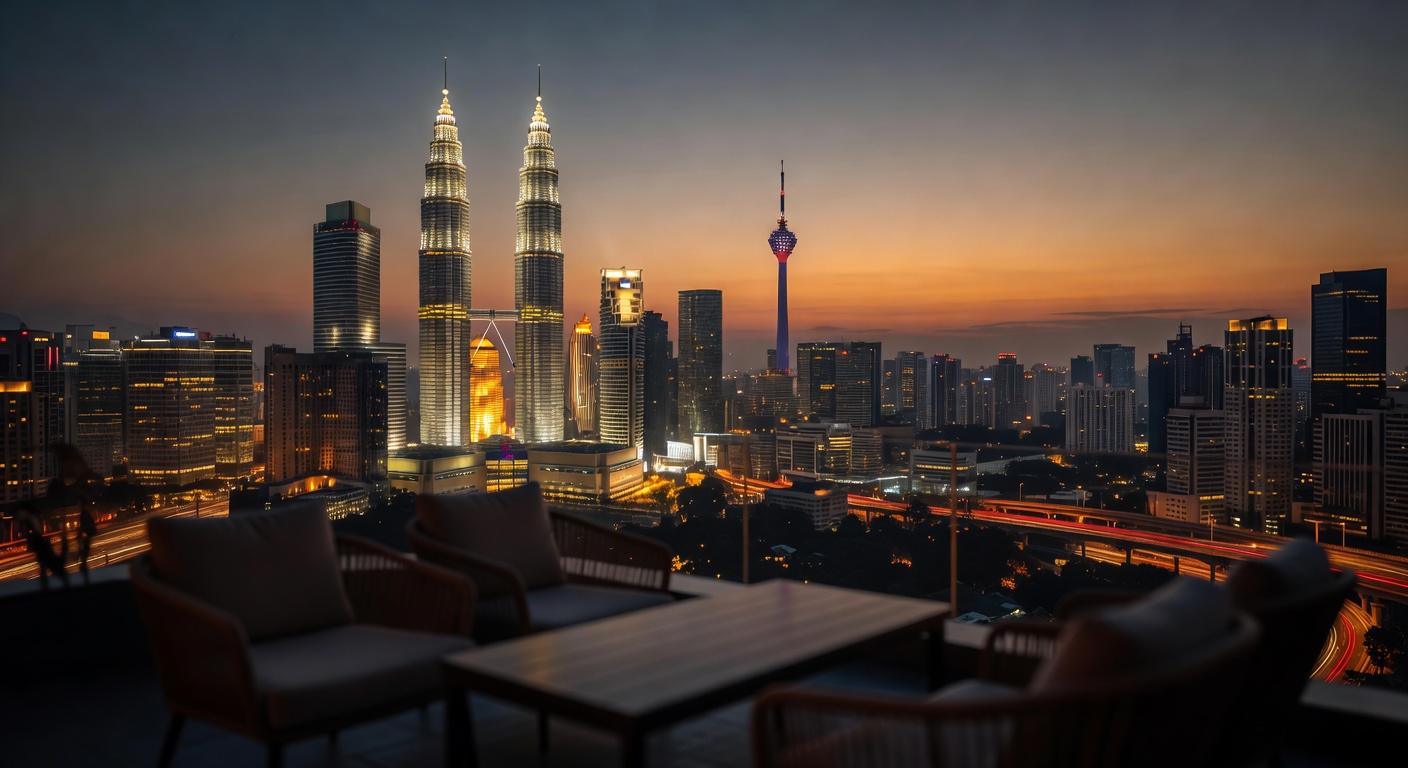
Kuala Lumpur is a genuinely remarkable city — cosmopolitan, architecturally extraordinary (the KLCC Twin Towers remain one of Asia's great urban experiences), with outstanding food across its Malay, Chinese, Indian, and fusion culinary traditions. Its transport infrastructure, safety from violent crime in tourist areas, and modernity make it one of Southeast Asia's most accessible major cities for international visitors.
Against that backdrop, the adult economy operates in one of the most legally hostile environments of any major tourist destination discussed in harm-reduction literature. The combination of civil law, Sharia enforcement, active immigration policing, and genuinely serious penalties means that the risk-reduction strategies applicable in Bangkok, Amsterdam, or even Jakarta do not translate. Workers face acute legal vulnerability that is compounded for those without legal immigration status. Visitors face deportation and visa consequences that are real even if prosecution is uncommon.
The harm-reduction message for KL is accordingly more austere: know the legal environment accurately, access health services at KL's genuinely excellent private medical facilities, understand that the informal adult economy exists but carries risks categorically different from most other destinations, and know the support organizations that operate without judgment if you or someone you encounter needs help. PT Foundation and Tenaganita in particular represent professional, non-judgmental resources that can provide practical support in difficult situations.